 Pin It
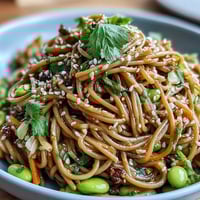
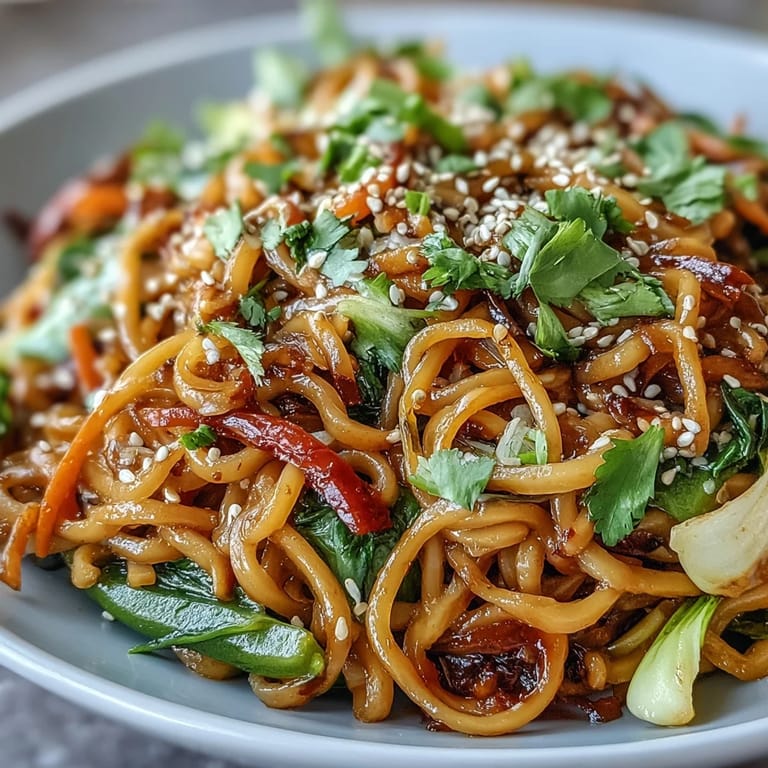
 My coworker wouldn't stop raving about her lunch one day, and when I finally peeked into her container, it was this bowl of impossibly thin noodles glistening with a glossy ginger sauce, surrounded by the most vibrant vegetables. She explained shirataki noodles were her secret to eating noodles without the guilt, and honestly, I was skeptical until I tasted it. Now I make this constantly, especially on afternoons when I want something nourishing but light, something that tastes like it took way more effort than it actually did.
I brought this to a potluck once thinking it might be too niche, and three people asked for the recipe before we'd finished eating. One friend who's always hunting for low-carb options practically demanded I make it again the next week. That moment made me realize this wasn't just a personal discovery—it was something worth sharing because it actually tastes good, which is the whole point.
Ingredients
- Shirataki noodles (400 g): These translucent, gelatinous strands are made from konjac root and contain almost no carbs or calories, which sounds suspicious until you taste how well they absorb sauce and adopt the flavors around them.
- Bok choy (1 cup sliced): The tender leaves wilt quickly while the stalks maintain a pleasant bite, creating textural contrast that makes every spoonful interesting.
- Red bell pepper (1/2, thinly sliced): Its natural sweetness balances the savory sauce, and the bright color makes the bowl feel celebratory rather than strictly healthy.
- Snow peas (1/2 cup): They stay crisp-tender if you don't overcook them, adding a delicate snap that contrasts beautifully with the soft noodles.
- Carrot (1 medium, julienned): Cutting them thin means they cook evenly and create those fine, golden strands that catch the light in the finished bowl.
- Green onions (2, thinly sliced): They go in twice—most during cooking for depth, and a fresh sprinkle at the end for a sharp, oniony brightness.
- Tamari or gluten-free soy sauce (2 tbsp): This is your umami backbone, the thing that makes everything taste intentional and savory.
- Rice vinegar (1 tbsp): It adds a subtle tang that lifts the sauce instead of letting it sit heavy, and it's gentler than regular vinegar.
- Toasted sesame oil (1 tbsp): This is non-negotiable—the nutty, roasted flavor is what transforms regular stir-fried vegetables into something your taste buds actually crave.
- Fresh ginger (1 tbsp finely grated): Use a microplane if you have one because tiny shreds distribute more evenly than chunks, and the aroma when you grate it fresh is half the appeal.
- Garlic (1 clove, minced): One clove is enough to whisper garlic flavor without overwhelming the delicate ginger notes.
- Maple syrup (1 tsp, optional): Just a touch to round out the flavors and prevent the sauce from tasting one-dimensionally salty.
- Chili flakes (1/2 tsp, optional): If you like a gentle heat that builds as you eat, add this; if spice isn't your thing, skip it completely.
- Toasted sesame seeds (1 tbsp for garnish): They add nutty richness and a pleasant crunch that the soft noodles and vegetables desperately need.
- Fresh cilantro or basil (optional): Cilantro brings brightness, basil adds an unexpected herbal note—either works beautifully depending on your mood.
Tired of Takeout? 🥡
Get 10 meals you can make faster than delivery arrives. Seriously.
One email. No spam. Unsubscribe anytime.
Instructions
- Prepare the shirataki noodles:
- Drain them from whatever liquid they came in, rinse thoroughly under cold water—this step matters because it removes the slightly fishy smell—then boil for exactly 2 minutes. Drain again and pat dry with paper towels until they're no longer wet, which prevents them from releasing water into your finished bowl and diluting the sauce.
- Make the ginger sauce:
- Whisk everything together in a small bowl and taste it before moving forward—you want the balance of salty, sour, and aromatic to feel right to your own palate. This sauce is the entire personality of the dish, so take a moment with it.
- Stir-fry the harder vegetables:
- Heat your skillet or wok until it's properly hot (when a drop of water sizzles immediately), then add carrot, bell pepper, and snow peas all at once. Stir constantly for 2 to 3 minutes until they're just starting to soften but still have resistance when you bite—this is what separates good texture from mushy.
- Add the delicate vegetables:
- Toss in bok choy and green onions and cook for just 1 to 2 more minutes, stirring often, because these leaves cook so fast they can go from perfect to wilted in seconds.
- Combine noodles with sauce and vegetables:
- Add the drained shirataki noodles to the pan, pour that gorgeous ginger sauce over everything, and toss constantly for 2 to 3 minutes so the noodles heat through and absorb some of the sauce. The whole pan should smell intoxicating at this point.
- Serve and garnish:
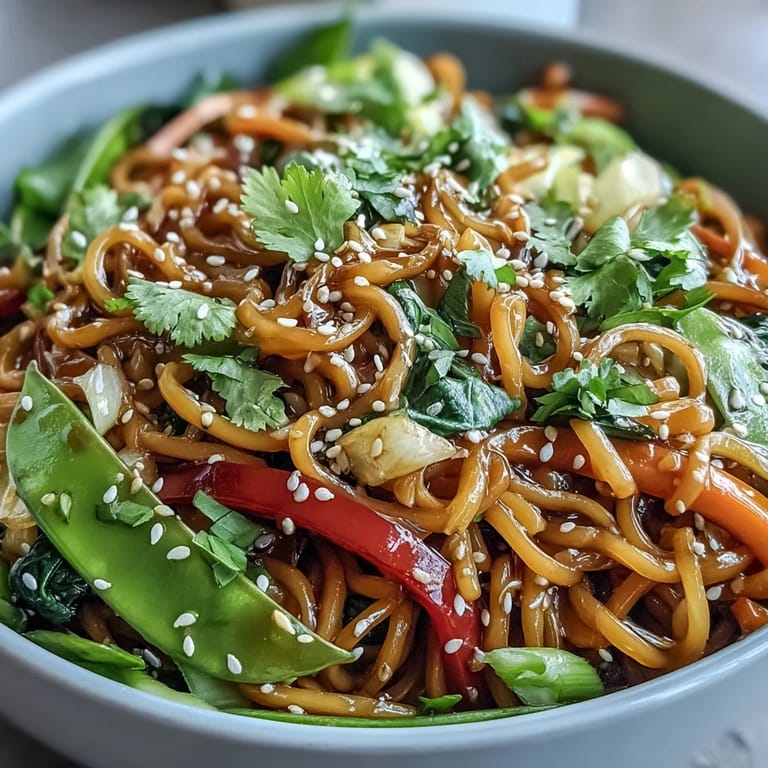
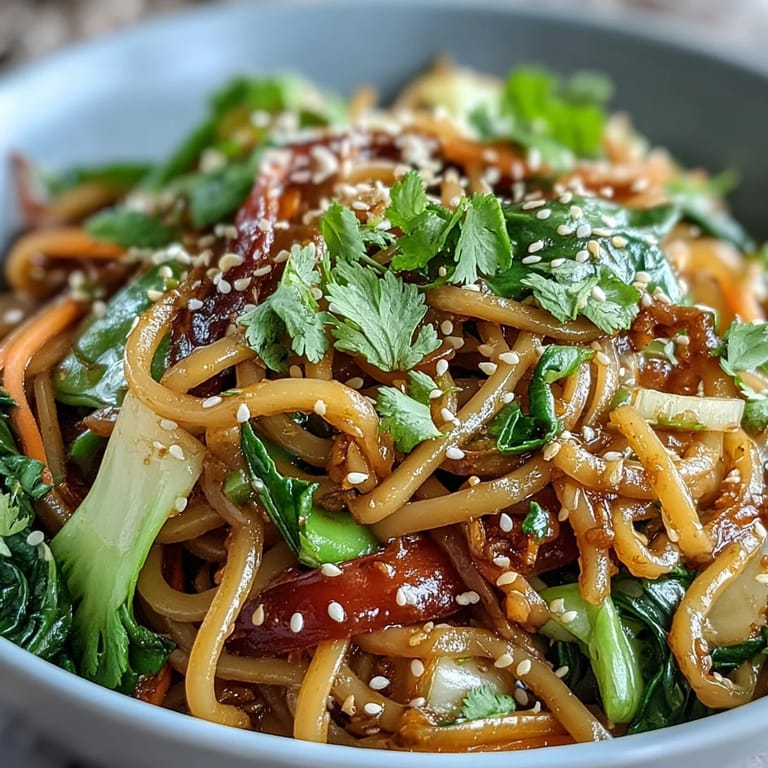
- Divide between two bowls, then sprinkle with sesame seeds and fresh herbs if you're using them. The warm noodles meeting the cool herbs create this pleasant temperature contrast that feels intentional and restaurant-like.
 Pin It
 There's something deeply satisfying about watching someone taste this for the first time and realize that eating healthfully doesn't mean sacrificing flavor or that moment of pure contentment when you finish a bowl. It's a dish that proves you can care about what you eat and still actually enjoy dinner.
Why This Bowl Became My Default
Before shirataki noodles, I thought low-carb eating meant accepting some version of deprivation, like I was choosing between health and happiness. This bowl shattered that for me because it's genuinely delicious—the kind of meal you'd want even without the health angle. The ginger sauce does the heavy lifting, transforming simple vegetables into something craveable, and the noodles are humble enough to let everything else shine while providing the textural anchor noodle cravings actually demand.
Making It Your Own
The vegetable list is more of a suggestion than a rule, which is honestly why I keep returning to this recipe. I've made it with broccoli in winter when I'm feeling like I need something more substantial, with mushrooms when I want earthiness, and with snap peas because I always have them. The sauce stays constant because it's the real star, but the vegetables can flex based on what's in your crisper drawer or what looks good at the market that day.
Serving Ideas and Add-Ons
By itself, this bowl is a complete meal that leaves you satisfied without that sluggish, overfull feeling. If you want to turn it into something more protein-forward, grilled tofu cubes or strips of tempeh absorb the ginger sauce beautifully, or you can crown it with cooked shrimp if you eat seafood. A squeeze of fresh lime juice right before eating adds brightness that makes the whole bowl taste more alive, and honestly, I rarely serve this without it anymore.
- Drizzle a tiny bit of extra sesame oil on top right before eating to intensify the nutty aroma and richness.
- Keep the sauce ingredients separate if you're meal-prepping and combine them fresh each time so flavors stay bright and alive.
- This bowl actually gets more flavorful if you let it sit for a few minutes before eating, allowing everything to meld together slightly.
 Pin It
 This bowl has become my answer to the perpetual question of what to make for dinner when you want something nourishing, quick, and genuinely exciting to eat. It's the kind of recipe that rewards you immediately and keeps rewarding you every single time you make it.
Recipe Questions & Answers
- → What do shirataki noodles taste like?
Shirataki noodles have a very mild, neutral taste on their own. They absorb flavors beautifully from sauces and seasonings, making them perfect for stir-fries and noodle bowls. The texture is slightly chewy and similar to traditional noodles but much lighter.
- → Do I need to cook shirataki noodles before adding them?
Yes, shirataki noodles should be drained, rinsed thoroughly under cold water, and boiled for 2 minutes before use. This removes any natural odor and improves their texture. Pat them dry with paper towels to help them absorb the sauce better.
- → Can I make this bowl spicy?
Absolutely. Add more chili flakes to the ginger sauce, or include fresh sliced chilies when stir-frying the vegetables. Sriracha or chili garlic paste also works wonderfully mixed into the sauce for extra heat.
- → What vegetables work best in this bowl?
Bok choy, bell peppers, snow peas, and carrots provide great crunch and color. Broccoli, mushrooms, snap peas, zucchini, and bean sprouts also work well. Choose vegetables that maintain texture when quickly stir-fried.
- → How long does this dish keep in the refrigerator?
Stored in an airtight container, this bowl keeps for 3-4 days. The vegetables may soften slightly but flavors develop beautifully. Reheat gently in a skillet or microwave, adding a splash of water if needed to refresh the sauce.
- → Is this bowl suitable for meal prep?
Yes, this bowl is excellent for meal prep. Cook a batch and portion into containers for quick lunches or dinners throughout the week. Consider storing the garnish separately to add just before serving for optimal texture.