 Pin It
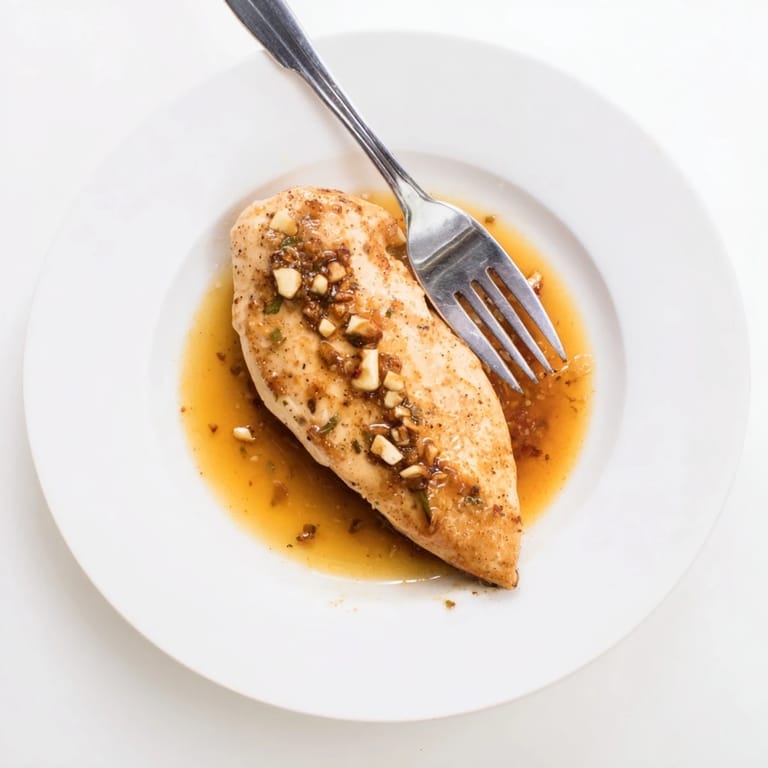
 My skillet was still warm from breakfast when I decided to throw together this chicken on a random Tuesday. I had honey in the pantry, a jar of Dijon mustard someone brought over months ago, and chicken I'd meant to use the night before. The sauce bubbled up golden and glossy, filling the kitchen with a smell so good my neighbor texted asking what I was cooking. Sometimes the best meals happen when you're just winging it with what's already there.
I made this for my sister the week she moved into her first apartment with nothing but a skillet and a wooden spoon. She called it fancy comfort food, which felt exactly right. We ate it straight from the pan with forks, sitting on her kitchen floor because she hadn't unpacked chairs yet. The honey caught the light through her window, and she said it tasted like everything was going to be okay.
Ingredients
- Boneless, skinless chicken breasts (about 1 and a half lbs): Pat them really dry before seasoning or they'll steam instead of sear, and you'll miss that golden crust that locks in flavor.
- Dijon mustard (1/3 cup): This is the backbone of the sauce, sharp and smooth, balancing the sweetness without disappearing into it.
- Honey (1/4 cup): Use real honey if you can, the floral notes make a difference, and it thickens the sauce naturally as it simmers.
- Whole grain mustard (2 tablespoons): Those little seeds add texture and a pop of tang that keeps each bite interesting instead of one note sweet.
- Garlic (3 cloves, minced): Fresh garlic blooms in the hot oil and perfumes the whole dish, dried just won't give you that same fragrant base.
- Apple cider vinegar (1 tablespoon): It cuts through the richness and brightens everything, don't skip it or the sauce will feel too heavy.
- Low sodium chicken broth (1/2 cup): This loosens the sauce and helps it coat the chicken, plus you control the salt level better than with regular broth.
- Fresh thyme leaves (1 teaspoon or 1/2 teaspoon dried): Thyme loves chicken and honey, it adds an earthy note that makes the whole thing smell like someone's grandmother is cooking.
- Fresh rosemary, finely chopped (1 teaspoon or 1/2 teaspoon dried): Chop it fine or it'll feel like little twigs, but when it's done right it adds a piney warmth that's perfect here.
- Kosher salt (1/2 teaspoon) and black pepper (1/4 teaspoon): Season the chicken directly so every bite has flavor, not just the sauce on top.
- Olive oil (2 tablespoons): You need enough to coat the pan and get a real sear going, don't be shy or the chicken will stick.
- Fresh parsley, chopped (optional for garnish): A handful of green at the end makes it look alive and adds a fresh contrast to all that golden sweetness.
Tired of Takeout? 🥡
Get 10 meals you can make faster than delivery arrives. Seriously.
One email. No spam. Unsubscribe anytime.
Instructions
- Prep the chicken:
- Use paper towels to pat the chicken breasts completely dry, then season both sides with salt and pepper. A dry surface is the secret to getting that beautiful golden crust instead of a sad gray steam.
- Sear the chicken:
- Heat olive oil in a large skillet over medium high heat until it shimmers, then lay the chicken breasts in and let them sizzle undisturbed for 3 to 4 minutes per side until golden brown. Transfer them to a plate and don't worry, they'll finish cooking in the sauce.
- Bloom the garlic:
- Lower the heat to medium, toss in the minced garlic, and stir it around for about 30 seconds until it smells nutty and fragrant. Watch it close because garlic goes from perfect to burnt in a blink.
- Build the sauce:
- Stir in the Dijon mustard, whole grain mustard, honey, apple cider vinegar, and chicken broth, whisking everything together until it's smooth and starts to bubble gently. The kitchen will smell incredible right about now.
- Add herbs and return the chicken:
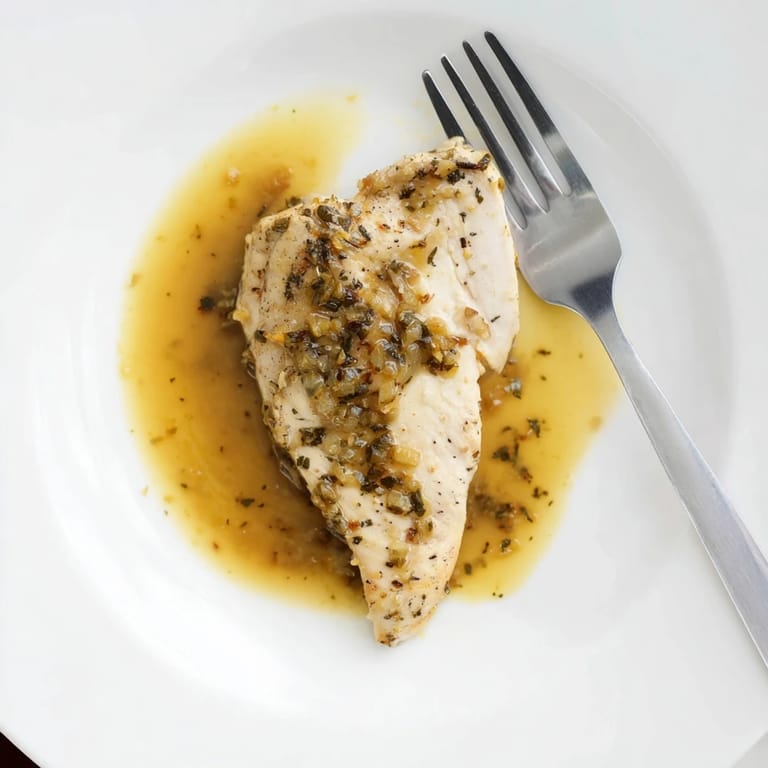
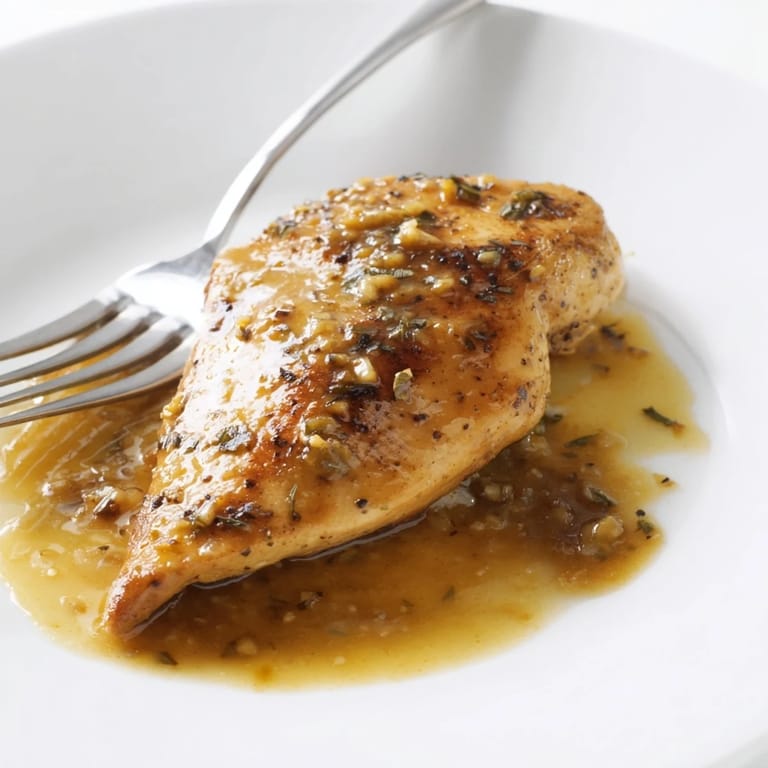
- Sprinkle in the thyme and rosemary, then nestle the chicken breasts back into the skillet and spoon some of that glossy sauce over the tops. Cover the pan and let it simmer for 10 to 12 minutes until the chicken reaches 165 degrees inside.
- Thicken the sauce:
- Take the lid off, bump the heat up just a touch, and let the sauce simmer uncovered for 2 to 3 minutes until it coats the back of a spoon. This step turns it from soupy to silky.
- Finish and serve:
- Scatter chopped parsley over the top if you've got it, then serve the chicken with plenty of that sauce spooned over everything. It's perfect over rice, mashed potatoes, or roasted vegetables that can soak up every drop.
 Pin It
 This became my go to when I wanted to feel like I had my life together without actually having my life together. One skillet, a handful of ingredients, and suddenly I'm serving something that makes people ask for the recipe. It's the kind of dish that tricks everyone into thinking you're a better cook than you are, and I'm not about to correct them.
Serving Suggestions
I've served this over buttery mashed potatoes, fluffy white rice, and even a pile of roasted Brussels sprouts, and it's worked every time. The sauce is the real star, so give it something that'll soak it up and carry that sweet tangy flavor into every bite. A simple green salad on the side with a lemony vinaigrette cuts through the richness and makes the whole plate feel balanced.
Swaps and Variations
If you've got chicken thighs instead of breasts, use them and add a couple extra minutes to the cooking time because they're thicker and fattier but they'll come out even more tender. For a creamier version, I've stirred in a couple tablespoons of heavy cream at the very end and it turned the sauce into something you want to eat with a spoon. You can also swap the thyme and rosemary for tarragon or sage if that's what you have, herbs are pretty forgiving as long as you don't go overboard.
Storage and Reheating
Leftovers keep in the fridge for up to three days in an airtight container, and they're one of those rare things that actually taste better the next day once the flavors have mingled. Reheat gently in a skillet over low heat with a splash of chicken broth or water to loosen the sauce, because microwaving can make the chicken rubbery. If you're meal prepping, store the chicken and sauce separately from your rice or potatoes so nothing gets soggy.
- Let the chicken cool completely before storing or condensation will water down your sauce.
- Freeze portions in individual containers for up to two months and thaw overnight in the fridge.
- Add a squeeze of fresh lemon juice when reheating to wake up the flavors.
 Pin It
 This recipe has pulled me out of the weeknight dinner slump more times than I can count, and it never feels like a compromise. Make it once and I bet it'll end up in your regular rotation too.
Recipe Questions & Answers
- → Can I use chicken thighs instead of breasts?
Yes, chicken thighs work wonderfully and stay juicier during cooking. Increase the simmering time to 14-16 minutes to ensure they cook through completely.
- → How do I know when the chicken is fully cooked?
Use a meat thermometer to check that the internal temperature reaches 165°F (74°C). The chicken should be opaque throughout with no pink inside.
- → Can I make this sauce creamier?
Absolutely. Stir in 2 tablespoons of heavy cream during the final 2-3 minutes of cooking while simmering uncovered to thicken the sauce.
- → What are the best side dishes?
This pairs beautifully with rice, creamy mashed potatoes, roasted vegetables, or crusty bread. A lightly oaked Chardonnay complements the flavors nicely.
- → Is this actually gluten-free?
As written, yes. However, always verify that your chicken broth and mustard labels confirm they're gluten-free, as some brands may contain hidden gluten.