 Pin It
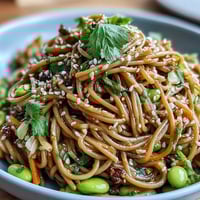
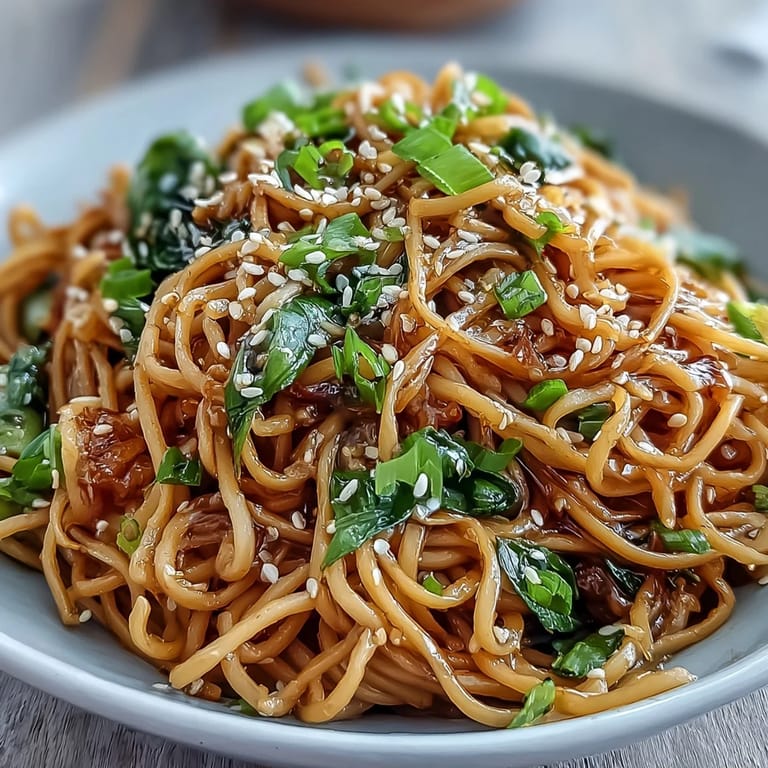
 There was this Tuesday night when my neighbor stopped by just as I was heating oil for dinner, and the smell of ginger and garlic hitting that hot pan made her pause at the doorway. She ended up staying for a bowl of these noodles, and halfway through, she closed her eyes and said it tasted like the night markets she visited once in Taiwan. That moment stuck with me, because suddenly this simple weeknight meal became something that transported someone else's memory onto my plate. Asian ginger scallion noodles aren't fancy or complicated, but they have this quiet power to make you feel like you're eating something alive and thoughtful.
I made this for my sister after she mentioned craving something that wasn't takeout but still felt indulgent. Watching her twirl the noodles and pause to taste that sauce, then look up with a surprised smile—that's when cooking stops being about following steps and becomes about giving someone a moment of real comfort. She asked for the recipe immediately, which is the only compliment that ever really matters to me.
Ingredients
- Wheat noodles (lo mein, udon, or ramen): These hold the sauce beautifully and have a satisfying chew; I've learned that thicker noodles like udon actually soak up more of that liquid gold sauce, so don't shy away from them.
- Fresh ginger: Mince it finely so it distributes evenly throughout the sauce, and don't skip this step even if you're tempted—the heat and brightness it brings are non-negotiable.
- Scallions: Use the white and light green parts for the sauce itself, then reserve the darker greens for garnish so you get that fresh pop at the end.
- Garlic cloves: Mince them small and try not to let them brown when the oil hits, or they'll taste bitter instead of sweet and aromatic.
- Neutral oil: This is your heat conductor, so use something with a high smoke point like canola or grapeseed oil.
- Soy sauce: Use tamari if you need gluten-free, and honestly, the extra umami depth is worth seeking out a good quality brand.
- Rice vinegar: This acid balance is what keeps the sauce from feeling heavy; it's the whisper that makes everything else sing.
- Toasted sesame oil: Just a teaspoon, because this ingredient is assertive and golden and should be respected.
- Baby bok choy: If you can't find it, spinach works, but bok choy's tender stalks give you textural contrast that matters more than you'd think.
- Sesame seeds: Toast them yourself if you have time, or grab the pre-toasted ones and don't feel bad about it—they're toasted either way.
Tired of Takeout? 🥡
Get 10 meals you can make faster than delivery arrives. Seriously.
One email. No spam. Unsubscribe anytime.
Instructions
- Cook your noodles until they're tender but still have a tiny bit of resistance:
- Follow the package timing because it actually matters here. Drain them thoroughly, then run cold water over them so they don't stick together in a solid clump while you finish the sauce.
- Build the aromatics in a heatproof bowl:
- Mince your scallions, ginger, and garlic separately so each one stays distinct and bright, then combine them in the bowl where they'll wait for that moment of heat.
- Heat your oil until it shimmers and sways slightly in the pan:
- This takes about two minutes over medium-high heat, and you'll know it's ready when the surface looks almost alive. Carefully pour it over the scallion mixture—it will sizzle and pop, which is exactly what you want.
- Fold in the liquid components to complete the sauce:
- Soy sauce, vinegar, sesame oil, sugar, and white pepper go in now, and stirring well ensures everything binds together into something cohesive and glossy.
- Sauté your greens until they turn vibrant and tender:
- In a large skillet or wok with a tablespoon of oil, add your chopped bok choy and snap peas with a sprinkle of salt, stirring every few seconds so they cook evenly and stay bright green instead of turning dull. Two to three minutes is usually perfect.
- Toss the noodles in that gorgeous sauce until every strand is coated:
- Use two utensils or your hands (clean hands work best) to mix everything together so the noodles don't clump and the sauce reaches every surface.
- Compose your bowls with intention:
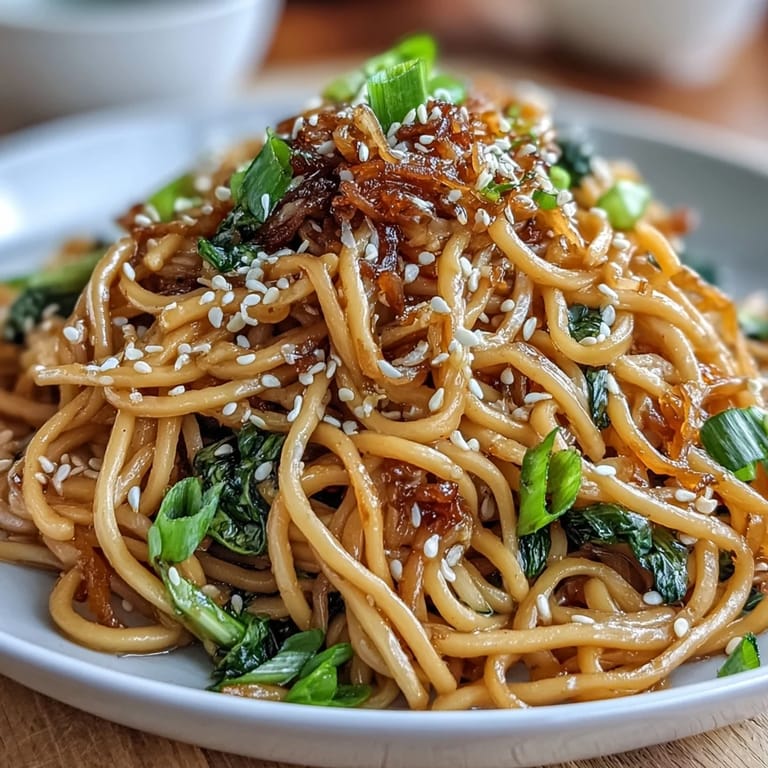
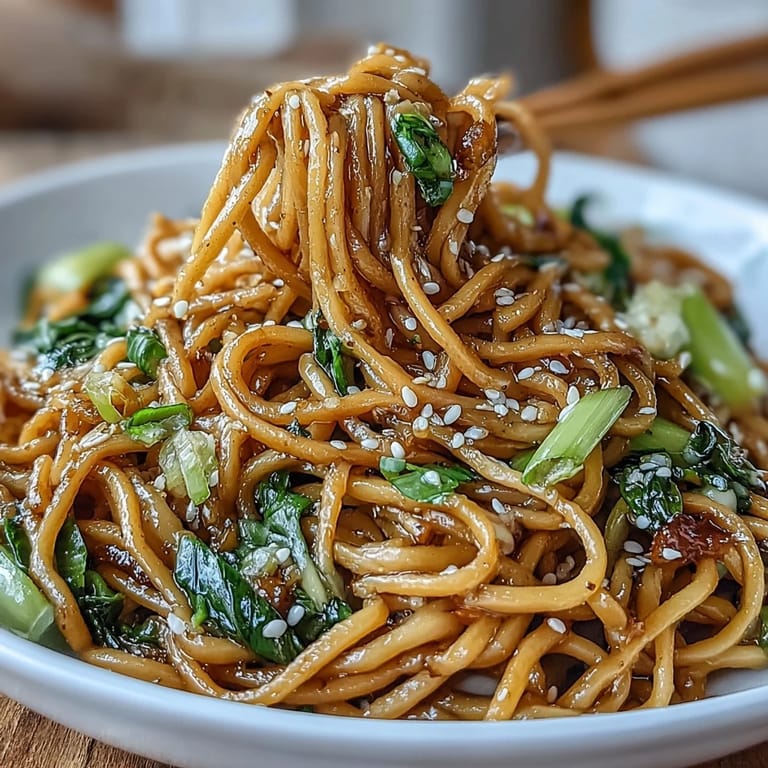
- Divide the sauced noodles first, then crown each bowl with the sautéed greens so the colors pop and the temperature contrast stays pleasant.
- Finish with garnish as your final gesture:
- Scatter sesame seeds, sliced chili if you want heat, and extra scallion greens across the top, then serve immediately while everything is still warm and the noodles are at their best.
 Pin It
 There's something about eating noodles from a bowl that makes you slow down without trying to, and that's when this dish does its real work. The greens add this necessary green moment of freshness that keeps the whole thing from feeling heavy, even though you're eating carbs and oil and umami all at once.
Why the Sauce Is Everything
The magic here lives entirely in how you treat that oil and those aromatics at the beginning. I learned this by accident one night when I absentmindedly mixed everything at room temperature and wondered why it tasted thin and sad. The next time, I respected the process—heated the oil properly, let it sizzle, let the ingredients bloom—and the entire dish transformed into something with actual depth and roundness. It's not more effort, just different effort, and suddenly you understand why people have such strong feelings about simple noodle dishes.
How to Make This Your Own
The beauty of this recipe is that it's structured enough to feel complete but flexible enough to absorb your preferences without falling apart. I've made it with whatever greens I found in the crisper drawer—sometimes kale, sometimes chard, once with watercress because I was being fancy. Some nights I add thin slices of tofu or shredded chicken if I want something more substantial, and it never feels like I'm fighting the dish.
Timing and Temperature Notes
This is a dish that asks you to move with purpose but not panic. Everything cooks fast enough that you can't really leave the stove, but not so fast that you feel rushed. The key is having everything prepped and ready before you heat any oil, because once things start sizzling, you're committed to the moment and can't run back to mince garlic.
- Prep all your ingredients before you turn on any heat so you can move smoothly from step to step.
- If you're cooking for a crowd, you can make the sauce ahead and gently reheat it, though it tastes fresher when you don't.
- Serve immediately after tossing because noodles keep absorbing sauce and can get gummy if they sit too long.
 Pin It
 This recipe became a regular in my rotation not because it's trendy or Instagram-worthy, but because it reminds me that the best meals are usually the simplest ones, made with intention and eaten without rushing. Make it for someone you want to feed well.
Recipe Questions & Answers
- → What type of noodles work best?
Wheat noodles like lo mein or udon provide a chewy texture, but rice noodles work well for gluten-free options.
- → Can I substitute the greens?
Yes, baby bok choy can be replaced by spinach, kale, or chard according to your preference.
- → How do I make the sauce more flavorful?
Ensure to pour hot oil over the scallion-ginger mixture to release the aroma and intensify flavors.
- → Is this dish suitable for a vegan diet?
Yes, by using egg-free noodles and checking all sauce ingredients, this dish can be fully vegan.
- → Can I add protein to this dish?
Tofu, tempeh, or shredded chicken can be added for extra protein and texture variety.