 Pin It
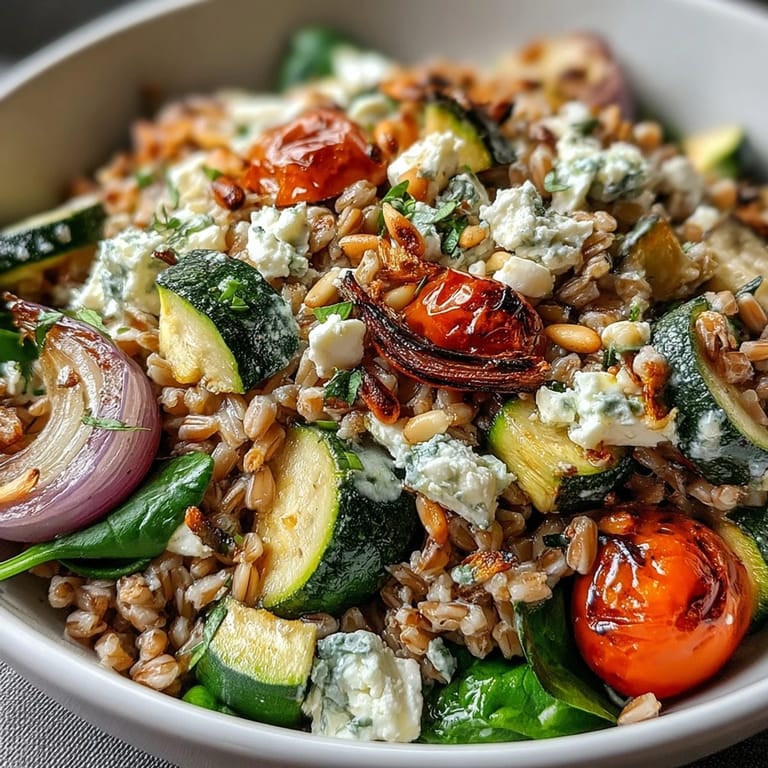
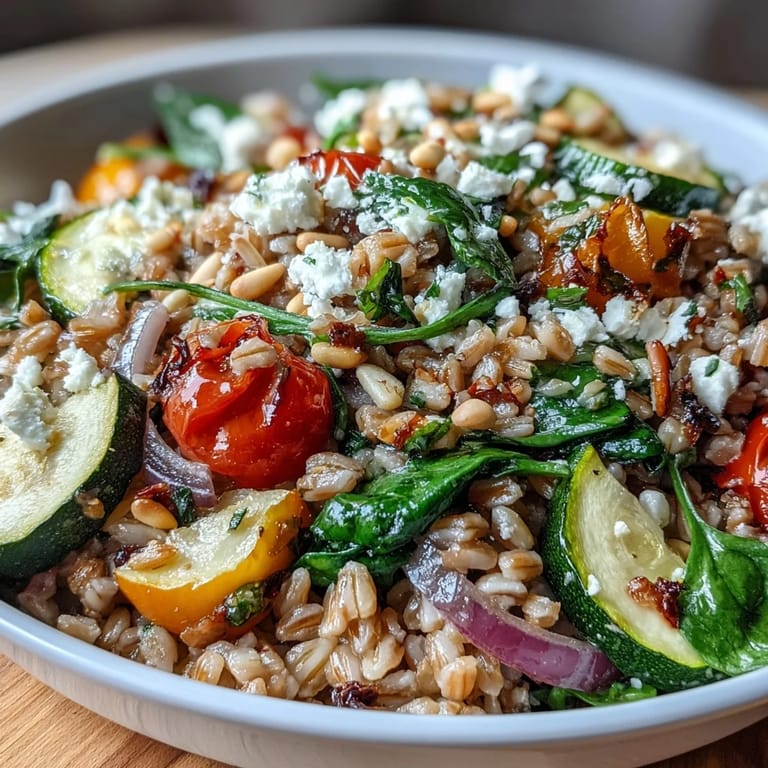
 There's something about the way farro pasta catches light on a plate that made me fall for this bowl years ago at a little market in Rome. A vendor tossed warm farro with whatever vegetables were at the peak of their season, and I watched as the nutty grain soaked up this simple olive oil dressing like it had been waiting for that exact moment. I've made it countless times since, sometimes with what I have on hand, sometimes when I want to taste that same quiet satisfaction. It's become my go-to when I need something that feels both nourishing and effortless.
I remember making this on a Tuesday evening when my partner came home saying they'd eaten something that changed their mind about vegetarian cooking. I didn't tell them what I was making, just let them taste it straight from the bowl while it was still warm. The way their expression shifted when they realized feta and olive oil could taste this good felt like a small victory in my kitchen. That's when I knew this recipe was keeper material.
Ingredients
- Farro pasta: The star of the show, with a tender chew and earthy depth that regular pasta just can't match. Cook it to al dente so it holds up when tossed with the vegetables.
- Zucchini: Diced small so it gets a light caramelization at the edges, adding sweetness and texture in every bite.
- Red and yellow bell peppers: Cut them the same size as the zucchini so everything cooks evenly and looks purposeful on the plate.
- Cherry tomatoes: Halved rather than whole, they burst slightly during cooking and release their juice into the warm pasta.
- Baby spinach: Added at the very end so it stays bright and doesn't turn dark and tired looking.
- Red onion: Sliced thin and sautéed first with garlic to soften its bite and build the flavor base.
- Extra virgin olive oil: Use good oil here because it's the dressing backbone, and the quality makes an actual difference you'll taste.
- Lemon juice: Freshly squeezed if possible, it brightens everything and keeps the whole bowl from feeling heavy.
- Dried oregano: One teaspoon gives you that Mediterranean warmth without overpowering the vegetables.
- Feta cheese: Crumbled feta adds saltiness and creaminess without needing any actual cream.
- Pine nuts: Toasted until golden, they bring a subtle richness and satisfying crunch if you want them.
Tired of Takeout? 🥡
Get 10 meals you can make faster than delivery arrives. Seriously.
One email. No spam. Unsubscribe anytime.
Instructions
- Start the pasta water:
- Bring a large pot of salted water to a rolling boil and let it get hot while you prep vegetables. Once it's bubbling, add your farro pasta and cook according to the package directions until it's tender but still has a slight firmness to it when you bite down.
- Build the flavor base:
- While the pasta does its thing, warm olive oil in a large skillet over medium heat and toss in your sliced red onion and minced garlic. Let them sit for a couple of minutes until the kitchen smells like something good is happening.
- Cook the vegetables:
- Add your diced zucchini, both colors of peppers, and the halved cherry tomatoes to the skillet and sauté everything for 6 to 8 minutes. You want them soft enough to bite through easily but still holding their color and shape, not collapsed into mush.
- Finish with the spinach:
- Dump in your baby spinach and stir it around for just a minute or two until it wilts from the heat. Remove the pan from the stove so the spinach stays bright green and tender.
- Make the dressing:
- In a small bowl, whisk together the remaining olive oil, fresh lemon juice, oregano, salt, and pepper until it comes together into something that looks like liquid gold. Taste it on a spoon and adjust the seasoning if you need to.
- Bring it all together:
- Drain your pasta and add it to a large bowl with all the sautéed vegetables and whatever liquid is left in the skillet. Pour the dressing over everything and toss it gently until every piece of pasta is coated and you can see the oil shining.
- Serve and garnish:
- Divide the warm bowl into serving dishes and top each one with crumbled feta, a sprinkle of fresh parsley if you have it, and a small handful of toasted pine nuts. You can serve this warm, at room temperature, or even cold the next day if you have leftovers.
 Pin It
 One Sunday afternoon, I made this for a lunch gathering and watched four different people ask for the recipe without prompting. It wasn't fancy or complicated, but something about the way the colors sat on the plate and how it tasted like both comfort and brightness made people want to recreate it at home. That's when food stops being just fuel and becomes a little moment of connection.
Why Farro Matters
Farro is one of those grains that doesn't get enough credit in everyday cooking. Unlike regular pasta, which can feel one-note on its own, farro brings an actual flavor to the table, something slightly sweet and deeply nutty that makes the whole bowl feel more intentional. I used to think I needed heavy sauces to make pasta interesting, but farro changed that thinking completely. It's substantial enough that you feel satisfied, but light enough that you don't need to nap afterward.
Making It Your Own
The best thing about this recipe is how willing it is to bend to whatever you have in your kitchen or whatever you're craving that day. I've made it with grilled chicken when I wanted more protein, with roasted eggplant when zucchini wasn't fresh, with crumbled chickpeas when I wanted to stay vegetarian but add substance. Some nights I add caramelized garlic, other times I throw in fresh mint or basil. The dressing stays the same, the farro stays the same, but somehow it never feels repetitive.
- Add cooked chickpeas or grilled chicken for extra protein without changing the flavor balance.
- Substitute any vegetables you have on hand as long as you keep them bite-sized and cook them until just tender.
- This bowl tastes even better cold the next day, making it perfect for planned leftovers or meal prep.
Serving and Storage
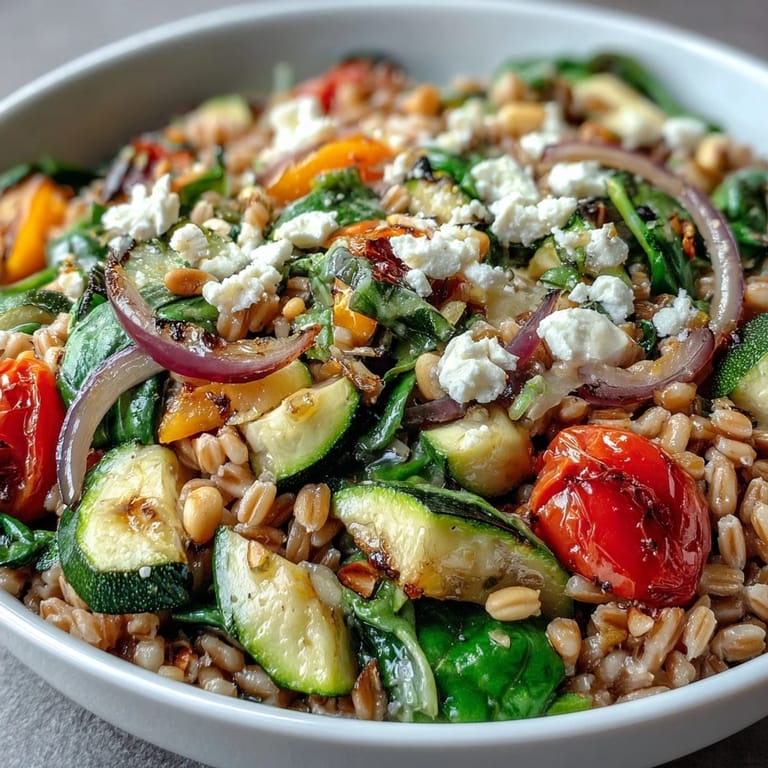
I've learned that this dish adapts to the moment you're in, whether you need it warm on a cool evening or chilled when the heat is unbearable. If you're making it ahead, keep the dressing separate until just before serving so the pasta doesn't get soggy, and add the feta and pine nuts right before eating so they keep their texture. Leftovers stay good for three days in the refrigerator, and honestly sometimes they taste better the next day when all the flavors have had time to get to know each other.
 Pin It
 This bowl has become my answer to the question of what to make when I want something that tastes like care without requiring hours in the kitchen. It's proof that simple ingredients treated with respect and attention can create something genuinely delicious.
Recipe Questions & Answers
- → Can I make this dish gluten-free?
Yes, simply substitute the farro pasta with your favorite gluten-free pasta variety. Quinoa or brown rice pasta would work well and maintain the wholesome texture of the dish.
- → How should I store leftovers?
Store in an airtight container in the refrigerator for up to 3 days. The flavors actually develop beautifully overnight. Add fresh garnishes like pine nuts and parsley when serving leftovers.
- → Can I serve this cold?
Absolutely! This works wonderfully as a cold grain salad. The dressing keeps everything flavorful and the vegetables maintain their texture even when chilled. Perfect for meal prep or picnics.
- → What protein options work well?
Grilled chicken, chickpeas, white beans, or even shrimp pair nicely. The feta already provides some protein, but adding cooked chickpeas makes it a complete plant-based protein meal.
- → Can I use regular farro instead of farro pasta?
Yes, whole farro works perfectly. Just increase the cooking time to 20-25 minutes until the grains are tender. The result will have a slightly chewier, more rustic texture.
- → What vegetables can I substitute?
Eggplant, roasted red peppers, artichoke hearts, or cucumber all work beautifully. The Mediterranean flavor profile supports many vegetable combinations based on what's in season.