 Pin It
 A friend once called me in a panic from her tiny kitchen, asking if salmon could actually be cooked in under ten minutes without tasting dry. I handed her this recipe—one I'd discovered by accident when I overestimated how much gochujang I had on hand and decided to stretch it with orange juice. That happy mistake turned into something I make whenever I need to feel accomplished without spending hours cooking. The sweet-spicy glaze that caramelizes under the broiler is somehow both restaurant-quality and utterly forgiving.
I made this for my partner on a rainy Tuesday when neither of us felt like ordering takeout again, and something shifted—the smell of orange and ginger filling the kitchen, the salmon's edges turning burnished gold under the broiler, the whole thing coming together with almost zero stress. It became our quiet proof that good food doesn't require drama or complexity.
Ingredients
- Salmon fillets (4, about 150g each): Look for fillets with the skin still on—it crisps beautifully under the broiler and keeps the fish moist inside. Ask your fishmonger to check the spine for any stray bones hiding in there.
- Gochujang: This Korean chili paste brings umami depth and a gentle heat that orange juice softens into something addictive rather than aggressive.
- Fresh orange juice: Skip the bottled stuff if you can; freshly squeezed juice brightens the glaze and keeps it from tasting one-dimensional.
- Soy sauce: The salt anchor that makes everything taste intentional and complete.
- Honey: This balances heat with sweetness and helps the glaze caramelize gorgeously on the salmon's surface.
- Rice vinegar: A whisper of acidity that prevents the glaze from feeling heavy or cloying.
- Fresh ginger and garlic: These two are non-negotiable—they're what make your kitchen smell like someone who knows what they're doing, even if you're just following a recipe.
- Sesame oil: Just a teaspoon adds richness and aroma that feels like a secret ingredient.
- Jasmine rice: Its mild floral note pairs perfectly with the bold glaze without competing for attention.
- Butter and salt for rice: Butter makes rice taste buttery—sounds obvious, but many people skip it and wonder why their rice tastes plain.
- Scallions: The fresh, sharp finish that makes the whole dish feel alive rather than heavy.
- Sesame seeds and orange zest: Optional but genuinely worth the few seconds they take to add.
Tired of Takeout? 🥡
Get 10 meals you can make faster than delivery arrives. Seriously.
One email. No spam. Unsubscribe anytime.
Instructions
- Make the glaze:
- Whisk gochujang, orange juice, soy sauce, honey, rice vinegar, ginger, garlic, and sesame oil in a medium bowl until completely smooth. If your gochujang clumps stubbornly, whisk a bit longer—lumps won't dissolve during cooking and will taste grainy.
- Prepare and marinate the salmon:
- Pat salmon fillets dry with paper towels (moisture is the enemy of crispiness). Place them skin-side up in a shallow dish, spoon two tablespoons of glaze over each fillet, and turn them to coat evenly. Let them sit for 10 minutes while you start the rice—this isn't a long marinating situation, just enough time for the flavors to say hello.
- Cook the rice:
- Rinse jasmine rice under cold running water, stirring gently with your fingers until the water runs clear—this removes excess starch and prevents mushiness. In a medium saucepan, combine rice, water, butter, and salt, then bring to a boil over high heat.
- Simmer and rest the rice:
- Once boiling, reduce the heat to low, cover tightly, and simmer undisturbed for 15 minutes. Remove from heat and let it rest covered for another 5 minutes, then fluff gently with a fork—this final rest is what makes it fluffy rather than dense.
- Prepare your broiler:
- While rice cooks, preheat your broiler to high and line a baking sheet with aluminum foil. Lightly oil the foil so the salmon doesn't stick—this small step saves you from disappointing skin-left-behind situations.
- Broil the salmon:
- Place marinated salmon skin-side down on the prepared baking sheet and brush with extra glaze. Broil 5–7 inches from the heat source for 3–4 minutes, then brush with more glaze and broil another 3–4 minutes until the salmon is caramelized and the flesh is just barely opaque (aim for an internal temperature of 125–130°F for that perfect barely-cooked-in-the-center texture).
- Thicken the remaining glaze:
- While salmon broils, pour any leftover glaze into a small saucepan and simmer over medium heat for 2–3 minutes until it thickens slightly and deepens in color. This concentrate is what makes the dish taste finished and intentional.
- Assemble and serve:
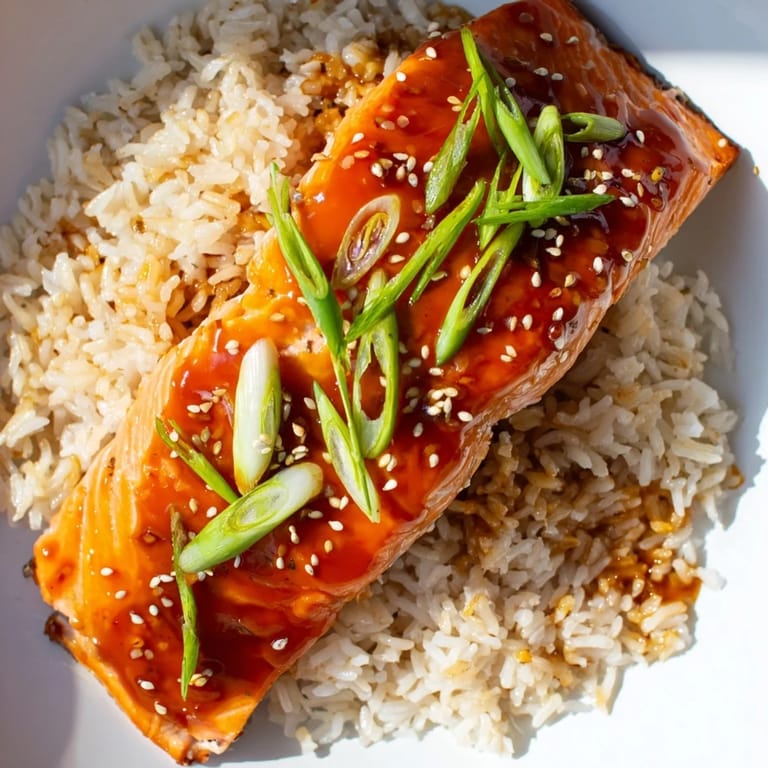
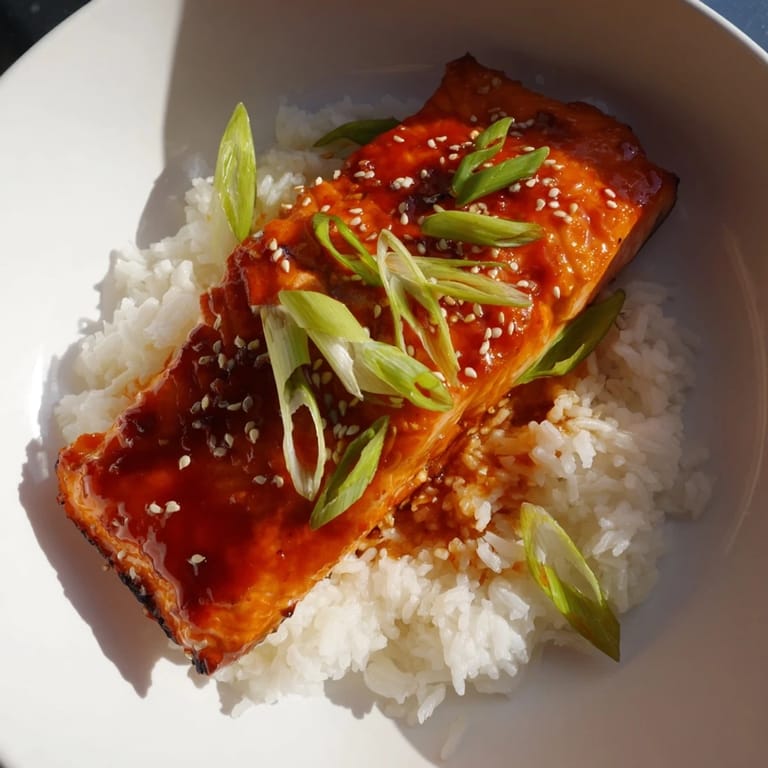
- Divide fluffy rice among bowls, top each with a salmon fillet skin-side up, and drizzle generously with thickened glaze. Scatter scallions over everything, then add sesame seeds and orange zest if you're feeling fancy—they're not optional, they're a finishing touch that matters.
 Pin It
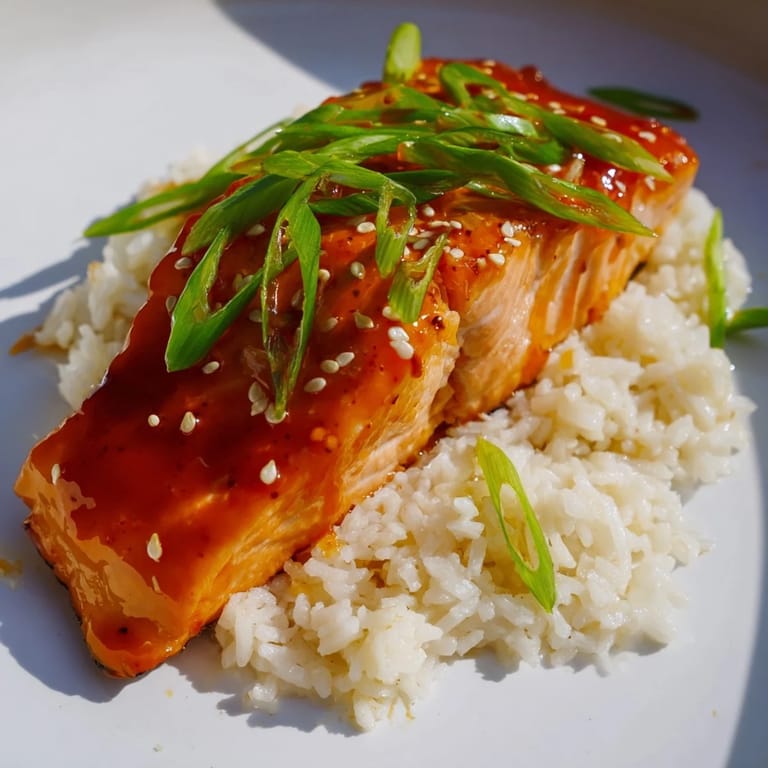
 There's a moment when the salmon comes out of the broiler, still sizzling slightly, the glaze catching light like liquid amber, and your kitchen smells like a place where someone cares about food. That moment is why this recipe lives in my regular rotation—it takes 35 minutes and feels like a small celebration.
The Gochujang-Orange Magic
The first time I combined gochujang with citrus, I wasn't sure it would work—Korean chili paste and orange juice seemed like an odd couple. But that's exactly why it works so well. The gochujang brings savory, umami depth and a slow-building heat, while orange juice adds brightness and sweetness that rounds everything into harmony. It's a flavor combination that tastes both familiar and surprising, which is honestly the sweet spot for weeknight cooking. Once you understand how these two ingredients dance together, you'll start experimenting with the ratio—a little more honey if you like things sweeter, a pinch of chili flakes if you want more heat.
Why Broiling Works Better Than Pan-Searing Here
Broiling is the secret move that separates this from the hundred other salmon recipes out there. The high, direct heat caramelizes that glaze into a sticky, burnished crust while the skin below crisps up and the flesh stays impossibly tender. You're not wrestling with a hot pan, you're not worried about flipping, and you're definitely not watching salmon skin glue itself to your cooking surface like it has a personal vendetta against you. It's hands-off enough to handle side dishes but produces results that look like you've been cooking professionally all along.
Variations and Play
This recipe is forgiving enough to play with. Swap jasmine rice for brown rice or quinoa if you want something heartier, add a pinch of chili flakes to the glaze if you like genuine heat rather than just the suggestion of it, or squeeze in a tablespoon of miso paste for extra savory complexity. The basic framework—a glossy, tangy-sweet glaze with ginger and garlic, cooked over high heat—works with different proteins too. I've made it with chicken thighs, firm white fish, or even halved Brussels sprouts for vegetarian nights.
- For extra color and flavor, top with thinly sliced radishes or a small handful of microgreens.
- Pair with a crisp white wine like Sauvignon Blanc or a citrusy IPA to echo the orange and spice.
- Leftovers are phenomenal cold the next day over salad, so never feel guilty about making extra salmon.
 Pin It
 This is the kind of recipe that restores your faith in weeknight cooking—simple enough to make on a Tuesday, impressive enough to serve to people you want to impress, and honestly just delicious enough to make again and again. That's all any of us are really looking for, isn't it?
Recipe Questions & Answers
- → How do I make the orange glaze for the salmon?
Whisk together gochujang, freshly squeezed orange juice, soy sauce, honey, rice vinegar, grated ginger, minced garlic, and sesame oil until smooth and well combined.
- → What type of rice works best with this dish?
Jasmine rice is preferred for its fragrant aroma and fluffy texture, complementing the rich salmon glaze beautifully.
- → How should I cook the salmon for best results?
Broil the salmon fillets skin-side down, brushing with glaze periodically to achieve a caramelized exterior and tender interior.
- → Can I prepare this dish in advance?
Marinate the salmon up to 1 hour ahead and keep refrigerated. Cook the rice fresh for the best texture before serving.
- → What garnishes enhance the flavor and presentation?
Thinly sliced scallions, toasted sesame seeds, and a sprinkle of orange zest add freshness and a burst of color.
- → Are there any suggested substitutions for the ingredients?
Brown rice or quinoa can replace jasmine rice for a healthier option. Add chili flakes for extra heat in the glaze.