 Pin It
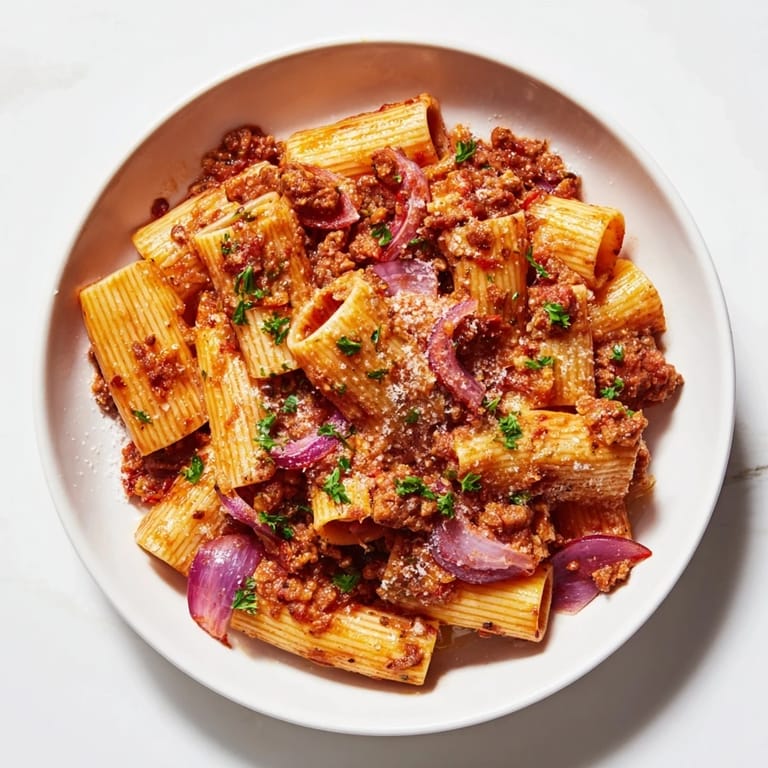
 There's something about cooking pasta in one pot that feels like a small act of rebellion against kitchen complexity. I discovered this Diavola-style pasta during a night when I was too tired to manage multiple pans, and what started as lazy cooking became my most-requested dish. The heat builds gradually as you stir, the aromatics deepen, and by the time everything comes together, your kitchen smells like an Italian kitchen should—bold, alive, a little bit dangerous.
I made this for my neighbor last summer during one of those evenings where the heat won't lift, and we ate it standing up by the kitchen counter with cold wine because sitting down felt like too much effort. She asked for the recipe three times and finally I just texted it to her at midnight because she kept texting back questions. Now whenever I smell red pepper flakes, I think of her laugh when a piece of pasta got stuck to her chin.
Ingredients
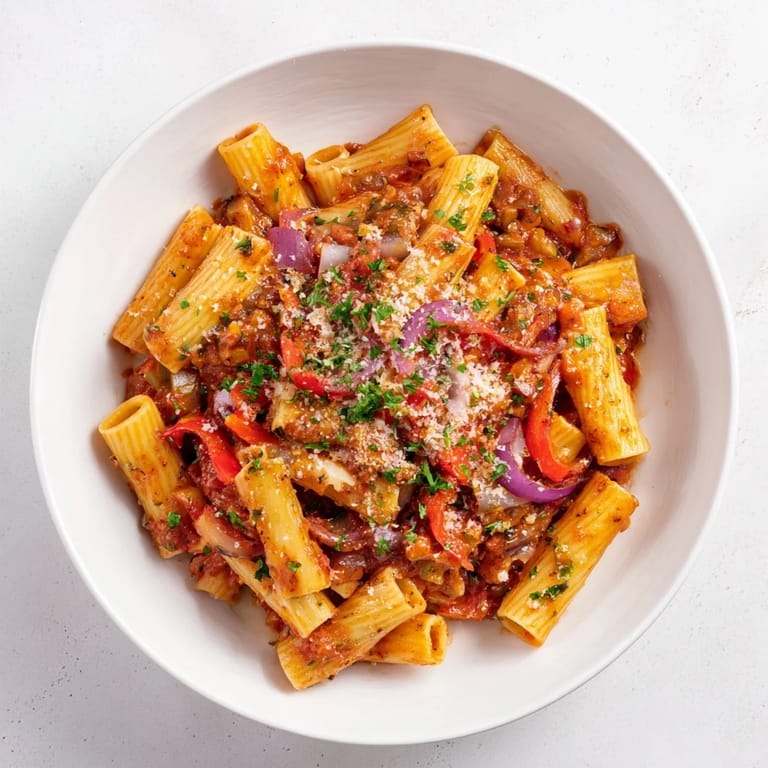
- Penne or rigatoni, 350g: The shape matters here because those little tubes catch the spiced tomato sauce and hold onto every bit of heat and flavor—don't skimp on shape just to use what's in the pantry.
- Water or vegetable broth, 1 liter: Broth adds depth, but water lets the spices shine without competing voices.
- Red onion, 1 medium: It softens into something almost sweet against the aggressive heat, which is the whole point of building layers.
- Garlic, 3 cloves minced: Mince it fine because it dissolves into the sauce and becomes the backbone of savory.
- Red bell pepper, 1 sliced thin: These stay slightly firm even after simmering, giving you little pockets of sweetness.
- Canned diced tomatoes, 400g: The acid in tomatoes is what makes spice feel bright instead of just painful.
- Olive oil, 2 tablespoons: This is where the first bit of magic happens as the aromatics hit the heat.
- Italian seasoning, 2 teaspoons: It's a shortcut that actually works, though if you have dried oregano and basil separately, they're even better.
- Crushed red pepper flakes, 1½ teaspoons: Start here and taste as you go—some batches are fiercer than others, and you might like it hotter or gentler than you expect.
- Smoked paprika, 1 teaspoon: This is the ingredient that makes people ask what your secret ingredient is.
- Salt and black pepper: Season as you taste, not all at once.
- Parmesan, 40g grated: Add it off heat so it melts into the pasta without becoming grainy.
- Fresh parsley or basil, 2 tablespoons: Chop it just before serving so the color stays bright and alive.
- Lemon zest, from ½ lemon: Optional but it pulls everything into focus like turning up the volume on a song you already love.
Tired of Takeout? 🥡
Get 10 meals you can make faster than delivery arrives. Seriously.
One email. No spam. Unsubscribe anytime.
Instructions
- Heat your foundation:
- Warm the olive oil in your large deep skillet over medium heat and add the chopped red onion. You'll know it's ready when the onion starts to turn translucent and the kitchen smells sweet and warm. This takes about 2-3 minutes and it's not optional—this is where you're building flavor.
- Wake up the aromatics:
- Stir in the minced garlic and sliced red bell pepper. The garlic will almost immediately perfume everything and you'll feel the shift in the room. After 2 minutes, when it smells like an Italian grandmother's kitchen, move forward.
- Combine everything:
- Add the tomatoes with all their juices, then the pasta, liquid, Italian seasoning, red pepper flakes, smoked paprika, salt, and pepper. Stir it all together so nothing sticks to the bottom of the pan. The pasta will look like it's swimming, which is correct.
- Let it do the work:
- Bring everything to a boil, then turn the heat down and let it simmer uncovered for 12-14 minutes, stirring every couple of minutes so the pasta cooks evenly and nothing sticks. You're looking for the pasta to be tender but still with a tiny bit of resistance when you bite it, and for most of the liquid to have been absorbed into the pot. The sauce will look thick and clingy by the end.
- Finish with care:
- Remove the pot from heat and stir in the grated Parmesan and lemon zest if you're using it. Taste and adjust the salt and heat to your preference—this is your dish now, so make it sing for your palate.
- Serve and celebrate:
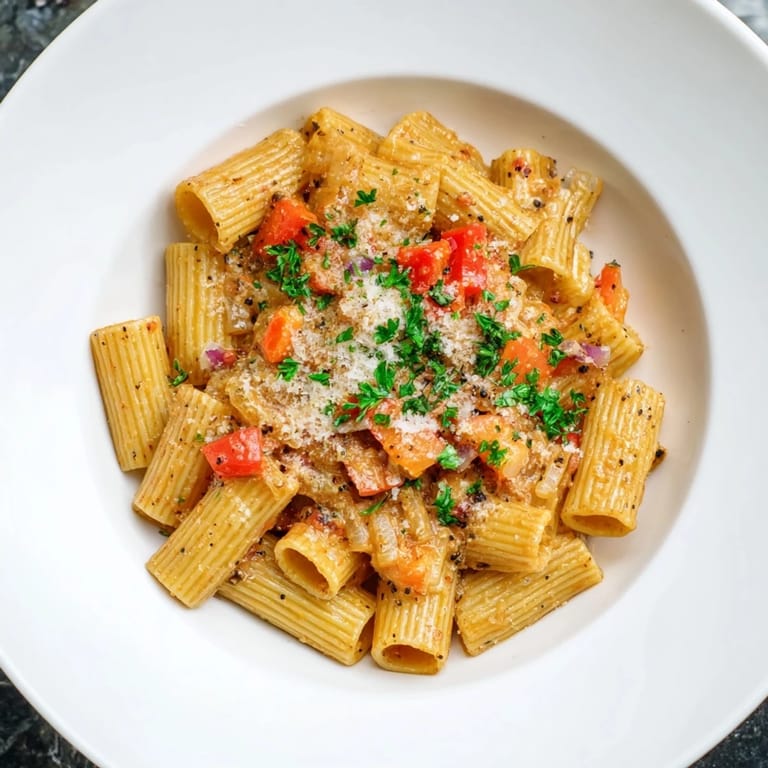
- Divide among bowls while everything is still steaming, top with fresh parsley or basil and a shower of extra Parmesan. Eat it hot, with crusty bread if you have it and good company if you can manage it.
 Pin It
 I made this dish the night before I moved away from a place I'd loved living, and it felt right somehow—bold and warm and a little bit reckless, like saying goodbye to a friend. We ate it at the kitchen counter because the table was already packed, and it tasted like the kitchen was saying goodbye too.
Why This Works as One Pot
The genius of cooking pasta directly in the sauce instead of separately is that the pasta absorbs all the flavor while it cooks, and the starch released from the pasta helps thicken the sauce naturally. You're not just coating noodles with sauce—you're building a single cohesive dish where every element knows the others. The heat from the flakes softens gradually into the whole pot, so it's intense but not aggressive by the time you eat it.
Making It Yours
The vegetarian version as written is genuinely complete and satisfying, but I've added everything from sautéed shrimp to crumbled spicy sausage when I felt like it. I've also thinned it out with a splash of pasta water if it looked too thick, and I've let it sit for five minutes after cooking and come back to it when I was busy. You can make this dish a dozen different ways and it will still feel like Diavola.
The Science of Spice and Balance
Spice without acid just tastes hot and empty, which is why the tomatoes are so important here. The acidity makes the heat feel bright and alive instead of flat. The Parmesan adds richness that mellows the spice slightly, and if you use the lemon zest, it punches everything back into focus at the end. It's not about being the hottest thing in the world—it's about building layers so the heat has something to hold onto.
- If it tastes too spicy, add more Parmesan or a splash of cream—both work, and they work differently.
- If it tastes flat, taste for salt before you blame anything else because often it's just asking for more salt.
- If you like heat, use the full amount of pepper flakes and then add more at the table in your own bowl.
 Pin It
 This is the pasta I make when I want to cook something that tastes like I put in more effort than I did, which means it'll probably become your go-to dish too. It's bold and honest and it takes maybe half an hour, which feels like a small miracle when you're hungry and tired.
Recipe Questions & Answers
- → What type of pasta works best for this dish?
Penne or rigatoni are ideal as their ridged surfaces hold the sauce well during cooking.
- → How can I adjust the spiciness level?
Reduce or increase the amount of crushed red pepper flakes to suit your heat preference.
- → Can I make this dish vegan-friendly?
Yes, omit Parmesan and use a plant-based cheese or nutritional yeast for a vegan version.
- → Is it necessary to use vegetable broth instead of water?
Using vegetable broth enhances the flavor, but water can be substituted if preferred.
- → What are good garnishes to complement the flavors?
Fresh parsley or basil and grated Parmesan add brightness and a savory touch to finish the dish.
- → How long does it take to cook the pasta to al dente?
Simmer uncovered for about 12-14 minutes, stirring frequently, until pasta is tender yet firm.