 Pin It
 Last summer, I opened my farmer's market haul to find three enormous zucchinis staring back at me, and panic set in. My friend Maria texted that she was stopping by for lunch, so I did what any slightly desperate cook would do: I made soup. The kitchen filled with that gentle, almost sweet smell of zucchini hitting hot oil, and something shifted from panic to purpose. By the time she arrived, a silky, bright green soup was waiting, and she took one spoonful and asked for the recipe before even saying hello.
There's something about serving this soup in shallow bowls on a warm evening that makes everyone slow down. My neighbor brought over a bottle of white wine uninvited, we sat on the porch, and nobody talked about anything heavy. The soup just sat there, letting the conversation happen around it, and I realized that's when you know a recipe works: when people forget they're eating and just keep spooning.
Ingredients
- Olive oil: Use a good one here because you'll taste it, but save the fancy bottle for drizzling later; a solid middle-ground oil is perfect for sautéing.
- Onion and celery: These two create the flavor foundation that nobody will taste directly but everyone will feel; don't skip them trying to save time.
- Garlic cloves: Fresh garlic makes all the difference, and the moment it hits the pan and smells incredible is when you know you're doing it right.
- Zucchinis: Pick medium ones if you can; the giant ones are watery and will make your soup thin and sad.
- Potato: This is your secret to silkiness without needing tons of cream, and it adds body that makes the soup actually filling.
- Vegetable broth: Four cups might seem like a lot, but zucchini releases water as it cooks, so this ratio is calibrated to keep the soup from tasting diluted.
- Cream or coconut milk: Optional but honestly worth the splash; it turns good soup into the kind people remember.
- Fresh herbs: Parsley, basil, and thyme together create a brightness that lemon alone can't achieve, and adding them after cooking preserves their flavor.
- Lemon zest: Don't use juice; the zest adds brightness without making the soup taste acidic, and it's a lesson I learned after one too many curdled attempts.
Tired of Takeout? 🥡
Get 10 meals you can make faster than delivery arrives. Seriously.
One email. No spam. Unsubscribe anytime.
Instructions
- Start your base:
- Heat the olive oil in your pot and let it shimmer before adding onion and celery; you're looking for that soft, golden moment after about four minutes, when they smell sweet and the onion turns translucent. This is the foundation, and rushing it means you'll taste raw onion later no matter how long you simmer.
- Build the aroma:
- Add your minced garlic and give it exactly one minute, stirring constantly so it doesn't burn and turn bitter. You'll know it's ready when your whole kitchen smells like something good is happening.
- Add the zucchini:
- Stir in your sliced zucchini and diced potato, and let them toast slightly in the oil for five minutes; this step is easy to skip, but those five minutes add a depth that makes people ask what's in your soup. The vegetables will start to soften and release their own water, which is exactly what you want.
- Build and simmer:
- Pour in the broth and bring everything to a boil, then drop the heat and let it simmer partially covered for fifteen minutes until the zucchini and potato are so tender they fall apart if you look at them. Don't walk away entirely, but don't hover either; this is when you can chop your herbs or pour a glass of wine.
- Season before blending:
- Turn off the heat, add your fresh parsley, basil, thyme, and lemon zest, and let it sit for one minute to let the heat wilt the herbs gently. This matters because blending fresh herbs raw leaves them a bit grainy and bitter, while a minute of residual heat softens them.
- Blend to silkiness:
- Use an immersion blender to puree everything until it's completely smooth and velvety; if you're using a regular blender, work in batches and be careful with hot liquid, letting it cool slightly and never filling the blender more than halfway. This is the moment the soup transforms from a collection of ingredients to something that feels luxurious.
- Finish and serve:
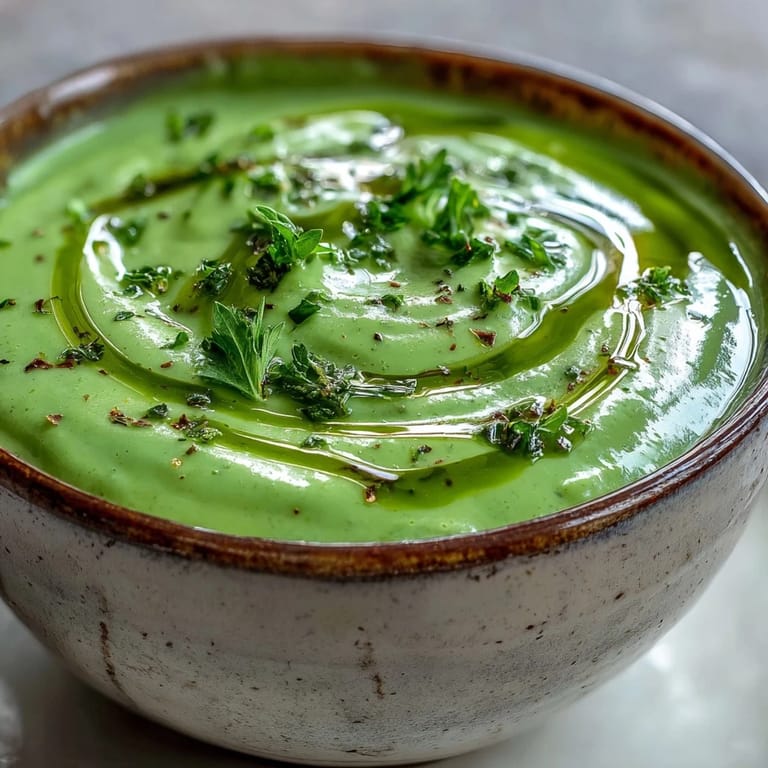
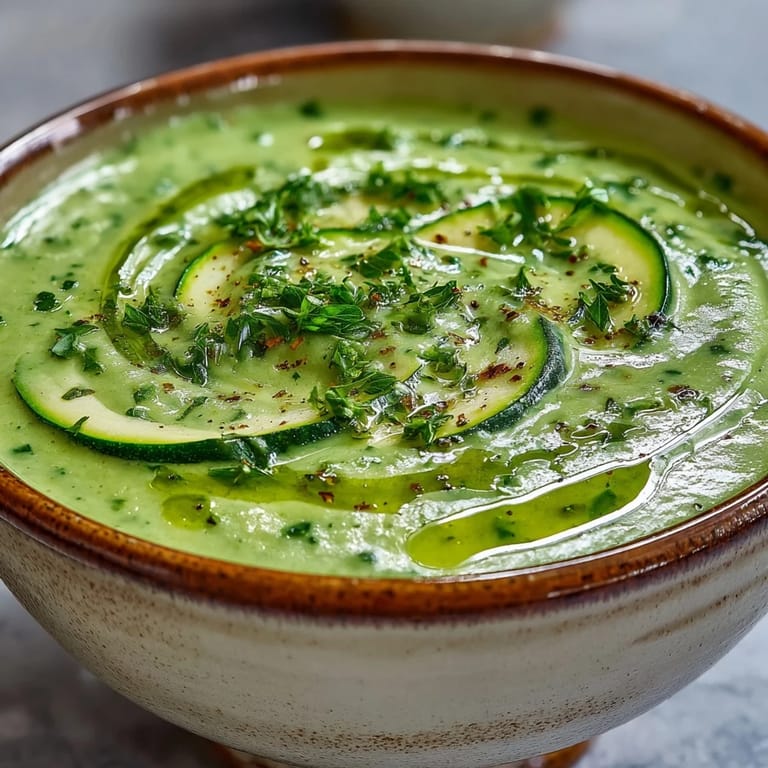
- Stir in cream or coconut milk if you're using it, taste for seasoning, and add salt and pepper until it tastes like you. Serve it warm on a cool evening or chilled if the weather demands it, garnished with fresh herbs and a drizzle of olive oil.
 Pin It
 My mother tasted this soup one afternoon and told me it reminded her of her grandmother's kitchen in northern Italy, which made me cry a little because that woman died before I was born. Food does that sometimes: it carries a memory you didn't even know you had, and suddenly you understand why we cook for people in the first place.
The Magic of Medium Vegetables
I used to buy the largest zucchinis I could find, thinking I was being efficient, but they're full of seeds and water and cook down to almost nothing. A cook friend finally told me that farmers pick zucchini when they're medium because that's when the flesh is dense and sweet, and now I hunt for those at the market. It's a small thing, but it changed every soup I've made since.
Why This Soup Works Year-Round
Summer is obvious: zucchini is everywhere and costs almost nothing, and the soup tastes best served chilled with a cold glass of something crisp. But winter versions are equally good if you freeze zucchini at peak season or use frozen from the store, and the warmth of a bowl on a cold day is its own kind of comfort. I've made this soup in January more times than I expected to, and it's never felt out of place.
Variations and Additions That Actually Work
The beauty of this soup is that it's a blank canvas without being boring, and I've learned what actually improves it versus what just clutters the bowl. A handful of baby spinach stirred in at the end adds color and a nutritional boost without changing the flavor profile. A sprinkle of toasted pine nuts or sunflower seeds on top adds texture that keeps the soup from feeling one-note. Some people add a touch of cream and call it risotto-adjacent, but I like it simple because the zucchini's delicate flavor deserves to be heard.
- Swap the cream for quality sour cream if you want tang without extra richness.
- A pinch of nutmeg added during cooking creates depth, but use a very light hand so it doesn't overpower.
- Serve with crusty bread for dipping, which turns lunch into something more like a moment rather than just eating.
 Pin It
 This soup proved to me that simple ingredients treated with care and respect create something worth making again and again. Every time I make it, I think of that afternoon with Maria and the porch conversation that followed, and I realize that's what cooking is really about.
Recipe Questions & Answers
- → Can I freeze this soup?
Yes, freeze without cream for up to 3 months. Thaw and reheat before adding cream or coconut milk.
- → How do I make it vegan?
Substitute cream with coconut milk and ensure your vegetable broth is plant-based.
- → What can I serve with it?
Crusty bread, toasted seeds, or a light green salad complement this soup beautifully.
- → Can I use frozen zucchini?
Fresh zucchini works best for texture and flavor, but frozen can be used in a pinch—thaw and drain first.
- → How long does it keep?
Store in the refrigerator for 3-4 days in an airtight container. Reheat gently on the stove.
- → Is it better hot or cold?
Delicious either way! Serve hot in cooler months or chilled as a refreshing summer starter.