 Pin It
 The first time I made labneh, I was sitting in my aunt's kitchen in Beirut, watching her casually pour yogurt into cheesecloth like it was the simplest thing in the world. She draped it over a bowl, set it in the fridge, and said, "Come back tomorrow." That overnight magic—turning something liquid into something you could spread—felt like a small miracle. Now, whenever I make it at home, that same sense of wonder returns, even though I've done it a dozen times.
Years later, I served homemade labneh at a dinner party and watched people taste it, then pause and ask, "You made this?" That small moment of pride—realizing I'd figured out something that seemed exotic and foreign—is what keeps me coming back to this recipe. It's become my quiet way of sharing a piece of the Levantine table with people I care about.
Ingredients
- Full-fat plain yogurt (1 kg or 4 cups): Use Greek or already-strained yogurt if you can find it—it cuts your straining time in half and the fat content is what makes the final cheese so silky.
- Fine sea salt (½ tsp): Don't skip salting the yogurt before straining; it draws out whey and seasons the cheese from within.
- Extra-virgin olive oil (2 tbsp): This is your finishing touch and worth using good oil—it's what people taste first.
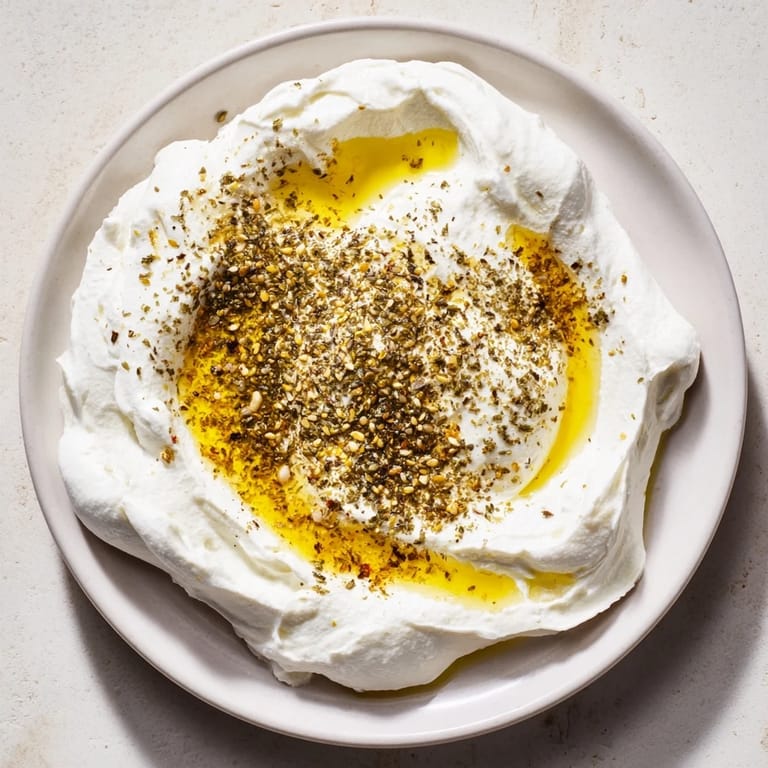
- Dried mint or zaatar (1 tsp, optional): Mint is the classic choice, but zaatar adds a subtle earthiness if you want something different.
- Aleppo pepper or sumac (a pinch, optional): Either one adds color and a gentle tang that plays beautifully against the creaminess.
Tired of Takeout? 🥡
Get 10 meals you can make faster than delivery arrives. Seriously.
One email. No spam. Unsubscribe anytime.
Instructions
- Salt your yogurt:
- Stir the salt evenly into the yogurt—this step is quieter than it sounds, but it's doing real work, helping pull moisture out and season the cheese throughout.
- Set up your strainer:
- Double-layer cheesecloth or use a clean, thin kitchen towel and line your sieve or colander. The double layer matters; it keeps tiny yogurt particles from sneaking through.
- Strain the yogurt:
- Pour the salted yogurt into the cloth-lined sieve, then gather the cloth edges and tie them loosely at the top to cover the yogurt. Set the whole thing over a deep bowl to catch the whey that will drip away.
- Let time do the work:
- Refrigerate for 12 to 24 hours depending on what you want—12 hours gives you a soft, spreadable texture; 24 hours creates a firmer cheese closer to cream cheese consistency.
- Transfer and finish:
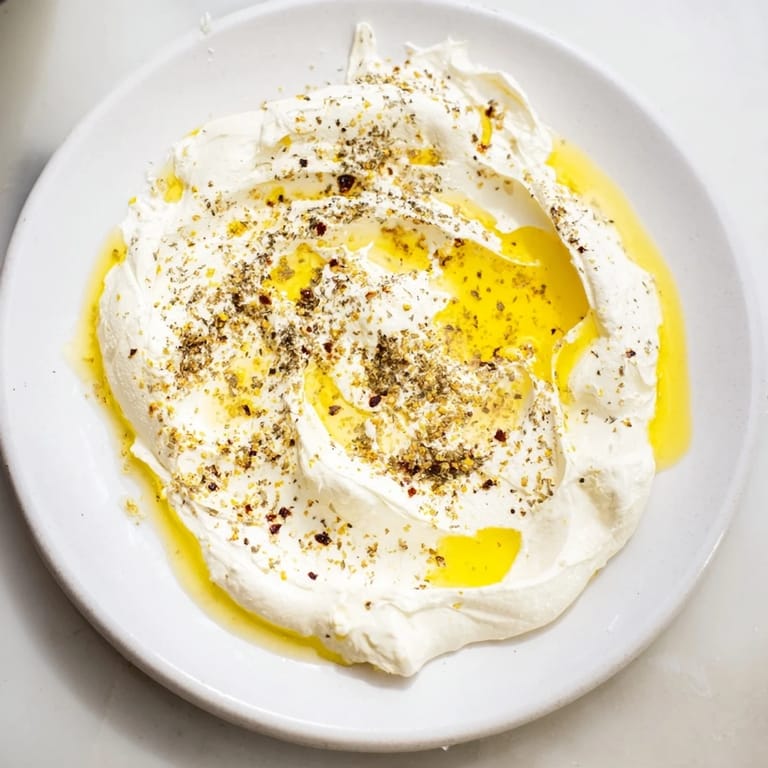
- Once it's strained to your liking, unwrap the labneh and transfer it to a serving dish. The moment you drizzle olive oil over it is when it transforms from effort into elegance.
- Garnish and serve:
- Sprinkle with mint, zaatar, or sumac if you're using them, then serve chilled alongside warm pita, fresh vegetables, or as part of a mezze spread.
 Pin It
 I remember bringing labneh to a potluck and watching it disappear before anything else on the table—not because it was fancy, but because it tasted like home to someone at that gathering. That's when I realized labneh isn't just a recipe; it's a small bridge between kitchens and memories.
The Magic of Straining Time
The hardest part of making labneh is doing nothing. There's something both frustrating and meditative about letting time do the work—you prepare it one evening, and by the next day, the kitchen holds this transformed ingredient waiting for you. I've learned to lean into that waiting; it's when you realize how much of good cooking is patience and trust rather than action.
Variations Worth Exploring
Once you've mastered the basic version, labneh becomes a canvas. I've rolled strained labneh into balls and kept them in jars of olive oil with dried chilies and herbs—they become little gifts you can pull out whenever you need something beautiful on a plate. Some people add garlic or lemon zest to the strained cheese itself, which shifts the whole flavor profile toward something more savory and bright.
Serving and Storage Wisdom
Labneh keeps in the refrigerator for up to five days, and honestly, it's the kind of thing that makes even ordinary meals feel intentional. I've used it as a sandwich spread instead of mayo, as a bed for roasted vegetables, and even swirled into soups at the last second for a hit of creamy tang. If you're vegan, plant-based yogurt works, though you might need to strain it longer since the consistency differs.
- Always cover labneh tightly or keep it in olive oil to prevent it from drying out or absorbing fridge smells.
- For gifting, roll firm labneh into balls, store in sterilized jars with good olive oil, herbs, and spices—it keeps for weeks and looks stunning.
- If you accidentally strain too long and the labneh becomes too firm, loosen it with a splash of milk or whey and serve it soft again.
 Pin It
 Making labneh is one of those recipes that teaches you something quiet about cooking—that sometimes the best results come from simplicity, time, and paying attention. It's become as much a part of my kitchen rhythm as coffee in the morning.
Recipe Questions & Answers
- → What type of yogurt is best for labneh?
Full-fat plain yogurt, preferably Greek or already strained, creates the creamiest labneh with balanced tanginess and texture.
- → How long should the yogurt be strained?
Strain for 12 hours for softer spreadable texture, or up to 24 hours for a firmer, sliceable consistency.
- → Can labneh be flavored or garnished?
Yes, drizzle with extra-virgin olive oil and sprinkle with dried mint, zaatar, Aleppo pepper, or sumac to enhance flavor.
- → How should labneh be stored?
Keep refrigerated in an airtight container; it stays fresh up to five days for optimal taste and texture.
- → Are there alternatives for dairy allergies?
Plant-based thick yogurt can be used as an alternative to create vegan labneh with similar straining methods.