 Pin It
 There's something about zarb that pulls you back in time. I first tasted it at a Bedouin camp outside Petra, where an older man unwrapped layers of foil to reveal meat so tender it fell from the bone, perfumed with smoke and spices I couldn't name. Years later, I realized I could recreate that magic at home—not in a desert pit, but in my own oven, with the same patient layering and trust in time.
I made zarb for my friend Maya on a cold Sunday, and watching her face when she opened that foil was worth every minute of waiting. She'd just come back from Jordan and was homesick for the tastes there, and somehow this dish—the steam rising, the aroma hitting you all at once—closed that gap between her and home for a few hours.
Ingredients
- Lamb shoulder or chicken, 1.5 kg in large chunks: Bone-in pieces matter because they add richness to the cooking liquid and look beautiful on the plate. I've learned that bigger chunks stay moister than small ones.
- Olive oil, 2 tbsp: This is your base for the marinade—it carries all those spices into every crevice of the meat.
- Cumin, coriander, cinnamon, smoked paprika, 2 tsp each (1 tsp paprika): This spice blend is the soul of zarb. Don't skip the smoked paprika; it gives you that underground-cooked flavor even in a regular oven.
- Garlic and lemon juice: Garlic gets mellow after hours of cooking, while lemon juice keeps everything bright and prevents the spices from feeling heavy.
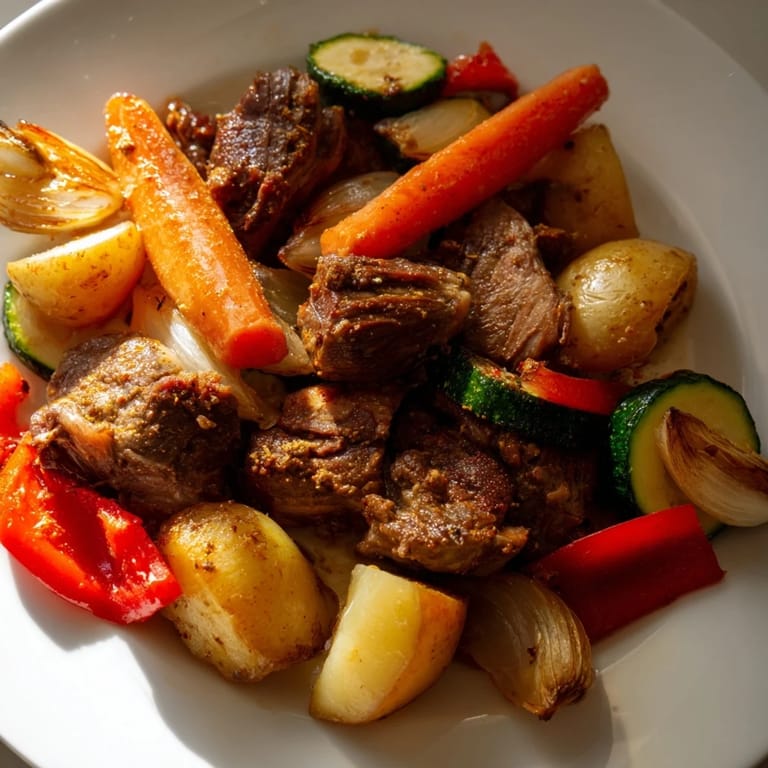
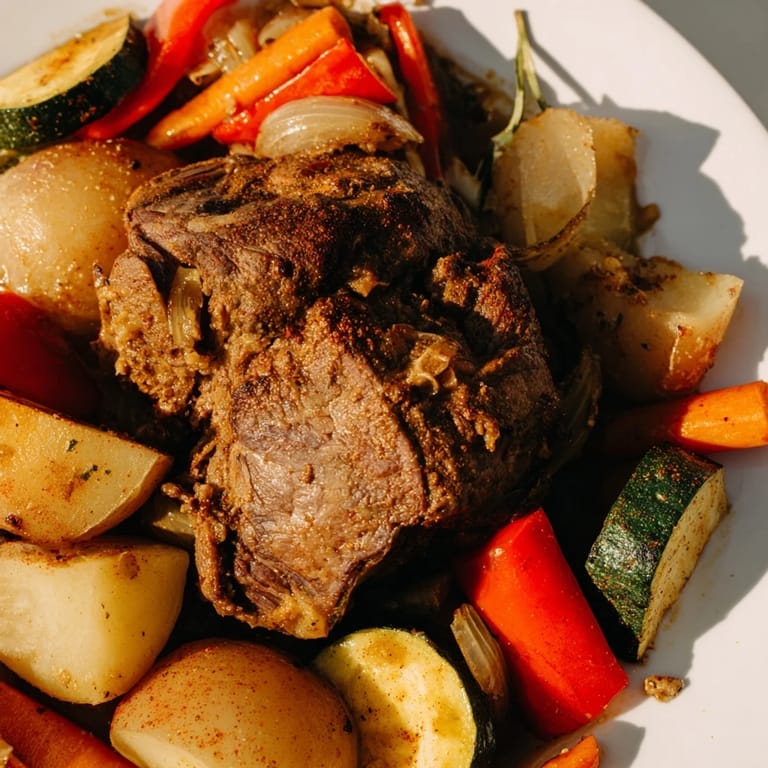
- Potatoes, carrots, onions, zucchini, bell peppers, tomatoes: Cut these into generous pieces so they stay distinct and don't turn to mush. The variety means different textures in every bite.
- Rice, broth, butter (optional): If you're serving rice, cook it separately so it stays fluffy rather than absorbing all the meat juices and becoming dense.
Tired of Takeout? 🥡
Get 10 meals you can make faster than delivery arrives. Seriously.
One email. No spam. Unsubscribe anytime.
Instructions
- Build your marinade and coat the meat:
- Mix oil, spices, garlic, and lemon juice into a paste, then really work it into the meat with your hands—massage it like you mean it. Cover and let it sit overnight if you can; even an hour helps, but patience here pays off.
- Arrange meat on a rack or tray:
- Place the pieces so they're not crowded. If you have a wire rack, use it; the meat cooks more evenly with air underneath.
- Toss vegetables with oil, salt, and pepper:
- Keep them in a separate bowl first, then scatter them around the meat. Nestle some underneath so they catch all the dripping juices.
- Seal everything tightly with foil:
- This is your underground oven substitute. Make sure there are no gaps; you're trapping steam and smoke in there. If you have banana leaves, layer them under the foil for extra authenticity.
- Bake low and slow for 2.5 hours:
- At 180°C (350°F), don't rush this. Check once after an hour just to make sure nothing's drying out, but mostly just let it be. You'll know it's done when the meat shreds easily with a fork.
- Cook rice separately if using:
- Bring broth to a boil with rice and butter, then cover and simmer gently for 15-20 minutes. This keeps your rice fluffy instead of mushy.
- Open carefully and serve with ceremony:
- The unveiling moment matters. Open that foil slowly so the steam doesn't burn you, and spoon those precious pan juices over everything.
 Pin It
 I remember my neighbor peeking over the fence when the smell started drifting out. She ended up staying for dinner, and that's when zarb stopped being just a recipe for me and became something I make to bring people together.
The Story Behind Zarb
Zarb is a Bedouin tradition that stretches back centuries, cooked in underground pits dug into the desert floor. The pit would be lined with hot stones and coals, and the food would emerge hours later transformed—smoky, tender, infused with flavors that only that kind of slow heat can create. When you make zarb at home, you're not just cooking dinner; you're keeping alive a way of cooking that's tied to survival, hospitality, and the rhythm of the desert.
Making It Your Own
The beauty of zarb is how forgiving it is. Lamb is traditional, but I've made it with chicken for lighter meals and even mixed both when I had them on hand. Some cooks add eggplant or sweet potatoes instead of regular ones, or throw in a handful of dried apricots for subtle sweetness. The vegetable mix isn't sacred—use what's fresh and what you love.
What to Serve Alongside
Zarb tastes best when you make it an experience, not just a meal. Fresh flatbread, still warm from the pan, is essential for wrapping meat and soaking up juices. A tangy yogurt sauce (plain yogurt with lemon, garlic, and salt stirred through) cuts through the richness beautifully. If it's winter, skip the wine and make mint tea; if it's summer, a bold red wine feels right.
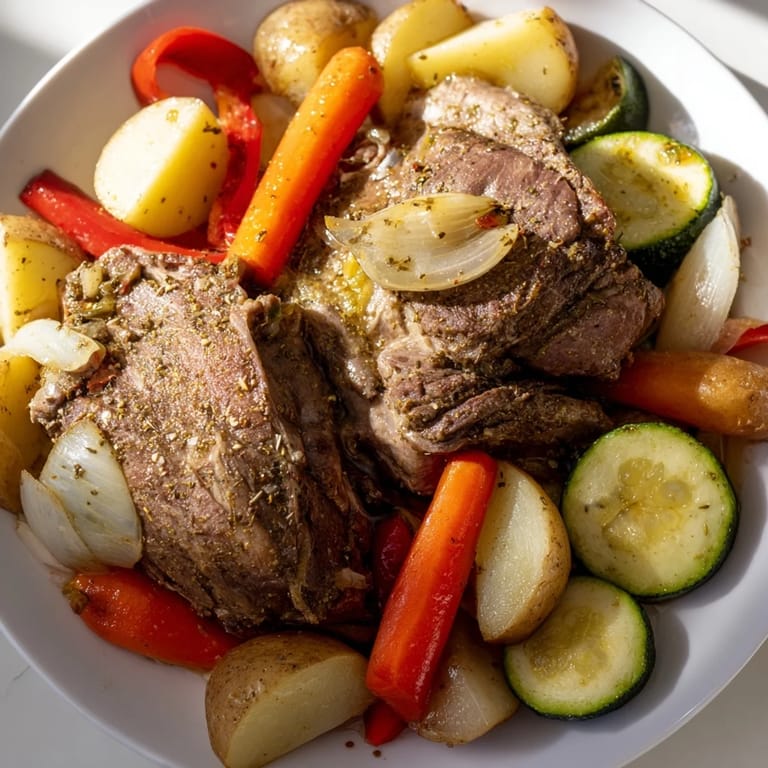
- Serve everything family-style on a big platter so people can build their own bites.
- Fresh herbs like parsley scattered on top at the end add brightness you can't achieve any other way.
- The pan juices are liquid gold—never throw them away, always spoon them over everything.
 Pin It
 Zarb is the kind of cooking that teaches you patience tastes better than rushing. Once you've made it, you'll find reasons to make it again.
Recipe Questions & Answers
- → What cuts of meat work best for Jordanian Zarb?
Lamb shoulder or bone-in chicken pieces cut into large chunks provide ideal tenderness and absorb the marinade well.
- → How long should the meat marinate?
Marinating for at least one hour is essential, but overnight refrigeration allows flavors to fully penetrate the meat.
- → Can this dish be cooked without an underground oven?
Yes, baking in a conventional oven at 180°C (350°F) covered tightly with foil replicates the slow-cooked effect.
- → Which vegetables complement the marinated meats?
Potatoes, carrots, onions, zucchinis, bell peppers, and tomatoes add roasted, aromatic layers balancing the smoky meat.
- → Is serving rice with the dish traditional?
Rice cooked with broth and butter optionally accompanies the dish, soaking up the delicious juices and enhancing the meal.
- → Are substitutions for the vegetables possible?
Yes, sweet potatoes or eggplants can be added for variation without compromising the dish's essence.