 Pin It
 There's something about the smell of carrots hitting hot oil that makes a kitchen feel instantly welcoming. I discovered this soup on a crisp autumn afternoon when my fridge held nothing but carrots, a can of coconut milk I'd been saving, and the vague memory of wanting something warm and golden. What emerged from that pot was so unexpectedly silky and comforting that I've made it countless times since, each time adding my own small twist depending on what's around.
I served this to a friend who'd been having a rough week, and watching her face soften with that first spoonful felt like the best compliment a cook could ask for. She sat at my kitchen counter, steam rising from the bowl, asking what was in it as if I'd performed some kind of kitchen magic, and honestly, that moment made me love this recipe even more.
Ingredients
- Olive oil: Just a tablespoon to build the flavor base; don't skip this step as it helps release the sweetness in the onions.
- Medium onion: The foundation that everything else sits on, so chop it into pieces roughly the same size so they soften evenly.
- Garlic cloves: Minced finely so they disperse throughout the broth rather than leaving chunky bits.
- Carrots: About 600 grams of them, sliced into rounds so they cook at the same pace and look pretty in the finished soup.
- Small potato: Adds body and creaminess without dairy, helping the soup feel more substantial than it has any right to be.
- Vegetable broth: Use something you actually enjoy drinking on its own, because it becomes the backbone of your entire soup.
- Coconut milk: Full-fat is non-negotiable here; light coconut milk will leave you with something thin and forgettable.
- Ground ginger: Brings warmth and a subtle peppery note that ties everything together beautifully.
- Ground coriander: The secret player that adds complexity without announcing itself loudly.
- Ground cumin: Deepens the earthiness and works in harmony with the ginger and coriander.
- Chili flakes: Optional, but they add a gentle heat that doesn't overpower; use them if you like your comfort food with a whisper of fire.
- Salt and black pepper: Taste as you go because these seasonings are your final chance to balance everything.
- Fresh cilantro or parsley: A bright garnish that cuts through the richness and makes each bowl feel intentional.
- Toasted coconut flakes: An optional finish that adds textural contrast and reminds you why this soup is special.
- Lime juice: The final squeeze that lifts all the flavors and keeps the soup from tasting one-dimensional.
Tired of Takeout? 🥡
Get 10 meals you can make faster than delivery arrives. Seriously.
One email. No spam. Unsubscribe anytime.
Instructions
- Start with the aromatics:
- Heat your olive oil over medium heat and add the chopped onion, letting it soften and turn translucent for about 3 to 4 minutes. You'll notice the kitchen filling with that sweet, mellow onion smell that signals you're doing everything right.
- Build the flavor base:
- Add your minced garlic and ginger, stirring constantly for just about a minute until the smell becomes fragrant and almost peppery. This brief moment is crucial because it awakens the spices without letting them brown.
- Add the vegetables:
- Toss in your carrot slices and diced potato, stirring gently for 2 to 3 minutes to coat everything in the oil and aromatics. The carrots will start to soften at the edges, signaling they're ready for the next step.
- Toast the spices:
- Sprinkle in your coriander, cumin, and chili flakes if you're using them, stirring to coat every piece of vegetable. This moment of dry toasting intensifies the spices and helps them distribute evenly throughout the soup.
- Simmer until tender:
- Pour in your vegetable broth and bring everything to a boil, then lower the heat and cover the pot, letting it simmer for about 20 minutes until the carrots are completely soft and almost dissolving when you press them with a spoon. The kitchen will smell absolutely incredible at this point.
- Add the coconut milk:
- Stir in the full-fat coconut milk gently and heat through for 2 to 3 minutes without boiling, as boiling can separate the coconut cream and ruin the silky texture you're after. You'll notice the soup shift from orange to a pale, creamy gold.
- Blend to smoothness:
- Remove from heat and use an immersion blender to purée the soup until completely smooth, working in short pulses so you don't splash. If you're using a countertop blender, work in careful batches and return the soup to the pot once blended.
- Season and finish:
- Taste the soup and adjust with salt, pepper, and a generous squeeze of lime juice, which brightens everything instantly. Trust your palate here because the lime is what transforms it from merely good to unexpectedly memorable.
- Serve with intention:
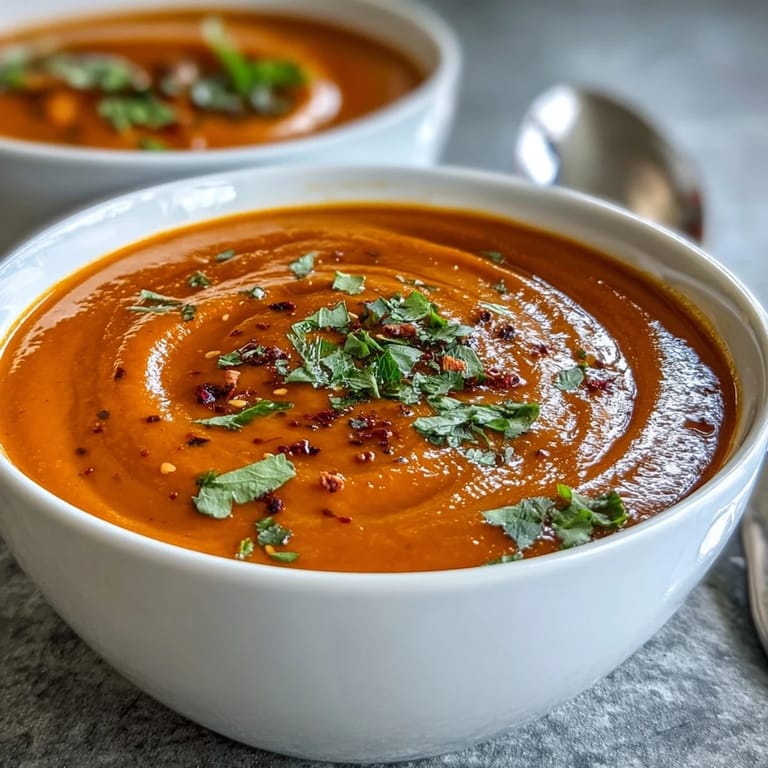
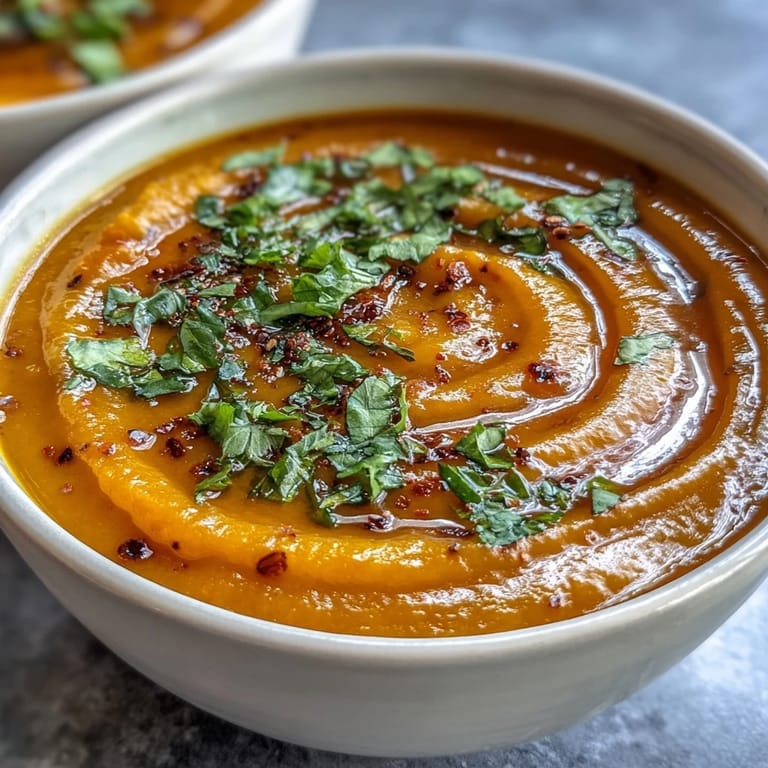
- Ladle into bowls and finish with a sprinkle of fresh cilantro, toasted coconut flakes, or even a tiny pinch of chili flakes for visual appeal and textural interest. The garnish isn't just decoration; it's the final note that completes the experience.
 Pin It
 This soup became my cold-weather ritual, the kind of thing I'd make on grey afternoons when the world outside felt too overwhelming. There's something grounding about transforming simple orange vegetables into liquid comfort, and every time I serve it, I remember why I fell in love with cooking in the first place.
The Science Behind the Silkiness
The reason this soup achieves that almost impossible creaminess without cream is because of the starch from the potato and the natural emulsifiers in coconut milk working together. The potato breaks down during simmering and releases its starch into the broth, acting as a natural thickener that holds everything together. Add the fat and proteins in coconut milk, and you've created a texture that mimics heavy cream without any of the dairy consequences.
Variations Worth Exploring
Once you've made this soup a few times and understand how it behaves, you'll start noticing what could make it even better for your particular taste. I've added roasted carrots for deeper caramelized sweetness, stirred in diced apple for subtle fruit undertones, and even swapped the potato for cauliflower on nights when I wanted something lighter. The beauty of this recipe is that it's a framework rather than a rigid formula.
- Try roasting the carrots and potato in a 400-degree oven for 20 minutes before adding them to the pot for a more complex, toasted flavor profile.
- Add a small diced apple or pear with the vegetables for a delicate sweetness that complements the spices without overpowering them.
- Experiment with different broths like mushroom or miso to see how the soup shifts and evolves with each change.
Pairing and Serving Suggestions
This soup is naturally versatile and plays well with almost anything you might serve alongside it. Crusty bread for dunking is the obvious choice, but steamed jasmine rice transforms it into something more substantial for dinner. On warmer months, I've served this soup chilled, and it becomes a completely different experience that's equally refreshing and elegant.
 Pin It
 This recipe has taught me that the most satisfying meals often come from simple ingredients treated with intention and respect. Make this soup whenever you need warmth, comfort, or just a reminder that magic happens in ordinary kitchen moments.
Recipe Questions & Answers
- → Can I make this soup ahead of time?
Absolutely. This soup actually tastes better the next day as flavors meld. Store in an airtight container in the refrigerator for up to 4 days. Reheat gently on the stove, adding a splash of broth or coconut milk if needed to thin the consistency.
- → Is this soup freezer-friendly?
Yes, it freezes beautifully. Cool completely before transferring to freezer-safe containers. Leave some space as liquid expands when frozen. Thaw overnight in the refrigerator and reheat on the stove. The texture remains smooth after thawing.
- → How can I make the soup thicker or thinner?
The potato naturally adds creaminess and body. For thicker results, reduce the broth by 1/2 cup or add an extra small potato. To thin, simply add more broth or coconut milk until reaching your desired consistency.
- → What can I substitute for coconut milk?
For a lighter version, use half coconut milk and half vegetable broth. Cashew cream or almond milk work but will alter the flavor profile slightly. Heavy cream provides richness but changes the dish from vegan to dairy-based.
- → Do I need to peel the carrots?
Peeling ensures a smooth, vibrant orange finish without any fibrous bits. If using young, thin carrots with tender skin, a thorough scrub works too. For the silkiest texture, peeling is recommended.
- → Can I roast the carrots first?
Roasting adds wonderful caramelized depth. Toss sliced carrots with olive oil and roast at 400°F (200°C) for 25-30 minutes until tender and slightly browned. Add them to the pot when you'd normally add raw carrots.