 Pin It
 There's something about beef tallow that transported me back to my grandmother's kitchen, where she'd pull a golden tray of potatoes from an old Aga stove, the fat crackling and popping like tiny fireworks. She never called it fancy or traditional—it was just how you made potatoes taste right, the way her mother had done it, the way mine do now. The first time I rendered my own tallow at home, I was skeptical, but the moment those potatoes hit the roasting pan, the smell filled every corner of my kitchen and I understood completely.
I made these for a Sunday dinner last winter when a friend was going through a rough patch, and I remember her face when she took the first bite—she closed her eyes for a second and just smiled. No one talks much about potatoes that way, but there's something about food made with good fat and a little care that lands differently. After that night, she'd text me asking for the recipe whenever life felt heavy, which I think says everything.
Ingredients
- Yukon Gold or Russet potatoes: Yukon Golds stay a bit firmer and have that natural butteriness, while Russets get fluffier inside—pick based on your texture preference, though honestly both work beautifully here.
- Beef tallow: This is the whole reason these potatoes taste like nothing else, a rich rendered fat that carries flavors in a way modern vegetable oils simply can't match.
- Kosher salt: It dissolves more evenly than table salt and gives you better control over how seasoned these turn out.
- Freshly ground black pepper: There's a real difference between pre-ground and fresh, and pepper is one of those seasonings worth the extra step.
- Fresh rosemary or thyme: Optional but worth the effort—they infuse the hot tallow with an herbal whisper that makes people ask what your secret is.
- Garlic: Just there to flavor the fat, then it gets discarded, like a generous ghost in the oil.
Tired of Takeout? 🥡
Get 10 meals you can make faster than delivery arrives. Seriously.
One email. No spam. Unsubscribe anytime.
Instructions
- Get your oven ready:
- Heat your oven to 425°F and let a rimmed baking sheet warm inside for at least 10 minutes—you want it screaming hot when the potatoes hit it.
- Parboil the potatoes:
- Cut them into 2-inch chunks and boil them in salted water until the edges just soften but they're nowhere near falling apart—about 8 to 10 minutes of simmering does it. You're going for partly cooked here, not tender.
- Roughen them up:
- Drain them well, return them to the empty pot, and shake them gently but firmly—you're creating tiny torn edges that will turn crispy and golden in the oven.
- Infuse your fat:
- Melt the beef tallow gently over low heat and if you're using them, add the smashed garlic and herbs for a minute or two to let the flavors bloom, then fish them out.
- Oil the pan:
- Carefully pull that hot baking sheet from the oven—use oven mitts and move slowly—then pour half the melted tallow onto it and tilt until the whole surface is coated.
- Arrange and dress:
- Spread the potatoes in a single layer across the hot pan, drizzle with the rest of the tallow, and scatter salt and pepper over the top.
- Roast and flip:
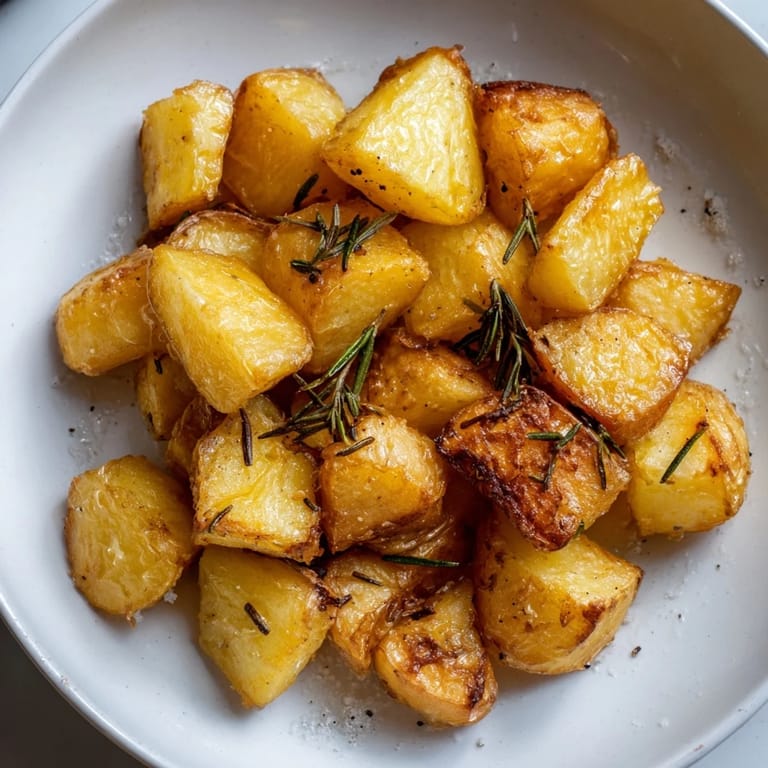
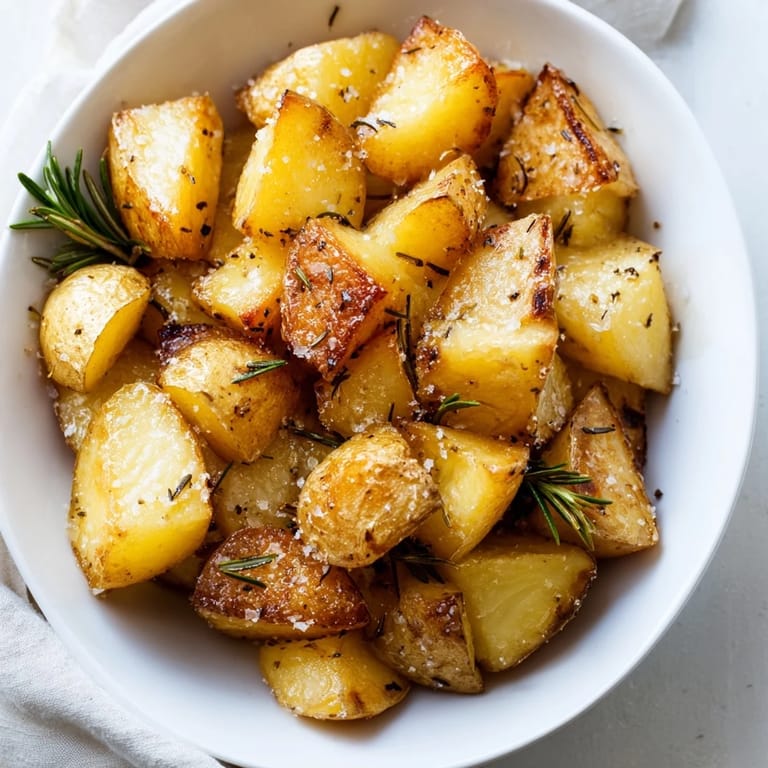
- Roast for 20 minutes until they're starting to brown, flip them all with tongs so the other sides get golden, then roast another 20 to 25 minutes until they're deeply caramelized and crispy all over.
- Finish and serve:
- Pull them from the oven, toss with fresh herbs if you have them, and serve while they're still hot and the edges are still crackling slightly.
 Pin It
 There was a moment during a family gathering when my uncle—who's skeptical about most food trends—took a second helping without asking and just said, 'Yeah, okay, this is exactly how I remember them,' and I realized these potatoes aren't trying to be clever or innovative. They're just remembering something real and making it taste that way.
Why Beef Tallow Changes Everything
Most people don't think about the fat they roast in, but it's actually the whole story with potatoes. Beef tallow carries flavor in this deep, savory way that modern oils don't—it's almost meaty, which sounds strange until you taste it and suddenly understand why your grandmother's potatoes tasted so completely different from anything you've made since. When you render it yourself, you're using every part of the animal in the way cooking used to work before we got squeamish about it.
The Secret to Maximum Crispiness
I spent a whole winter trying different techniques to get the crispiest possible potatoes, and the breakthrough came from two seemingly silly steps: letting the parboiled potatoes air-dry for a few minutes before roasting, and roughing up their edges in the pot. The drying removes surface moisture that would otherwise steam instead of crisp, and the rough edges give the hot fat more surface area to grip and brown. Together, these two things make the difference between good potatoes and ones that crack loudly when you bite into them.
Making This Dish Your Own
The beauty of beef tallow potatoes is that they're a perfect canvas for whatever flavors you love—a whisper of smoked paprika turns them into something for a barbecue, fresh thyme makes them elegant enough for a roast dinner, and a tiny pinch of chili flakes adds heat without overwhelming the natural savory taste. You can also swap the beef tallow for duck fat or goose fat if you want a slightly different character, though each fat tells a different story on the plate. The method stays the same no matter what you do, which means once you nail it once, you can make it perfectly every single time.
- Try a pinch of smoked paprika or chili flakes if you want them to taste like something from a Spanish kitchen instead of a British one.
- If you can't source beef tallow, duck or goose fat works beautifully and brings its own richness to the table.
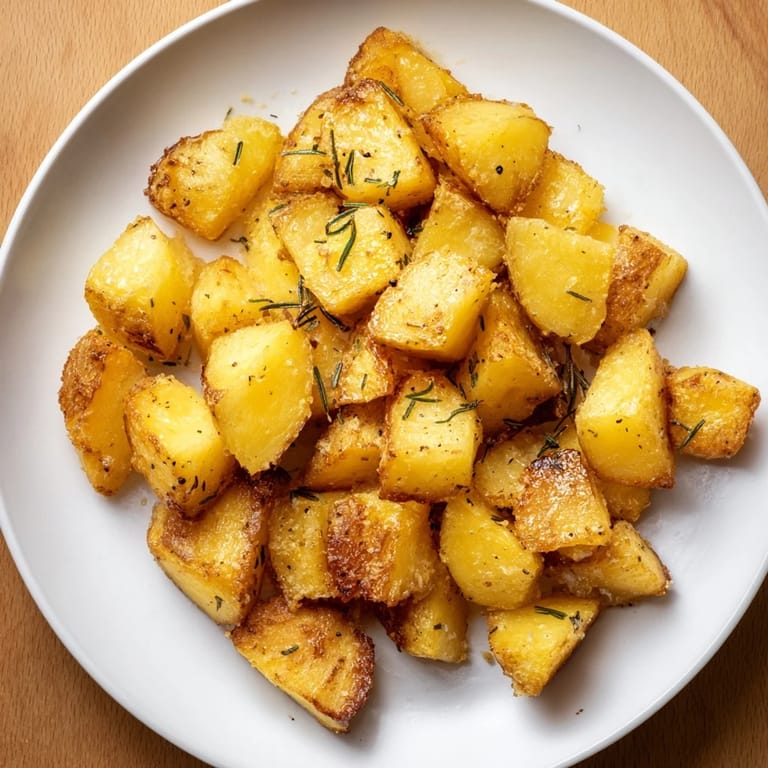
- These are best served immediately while they're still crackling, so plan your timing around having everything else ready to eat.
 Pin It
 These potatoes taste like confidence and tradition, the kind of side dish that makes you feel like you know what you're doing in the kitchen. Once you've made them this way, you'll understand why people have been roasting potatoes in beef fat for generations.
Recipe Questions & Answers
- → Why use beef tallow for roasting potatoes?
Beef tallow adds a rich, savory depth and helps create a crispy exterior while keeping the potatoes tender inside.
- → How do I achieve extra crispy potatoes?
After parboiling, let the potatoes air-dry for 5–10 minutes and gently shake them to roughen edges before roasting.
- → Can I substitute beef tallow with other fats?
Yes, duck fat or goose fat are excellent alternatives that impart a different depth of flavor.
- → What herbs complement these potatoes?
Fresh rosemary or thyme work beautifully, adding aromatic notes that enhance the savory taste.
- → How to prevent potatoes from sticking to the baking sheet?
Preheat the baking sheet in the oven before adding the tallow and potatoes to create a crispy, non-stick surface.
- → Can garlic be added during roasting?
Garlic is infused into the melted tallow then discarded, lending subtle flavor without burning during roasting.