 Pin It
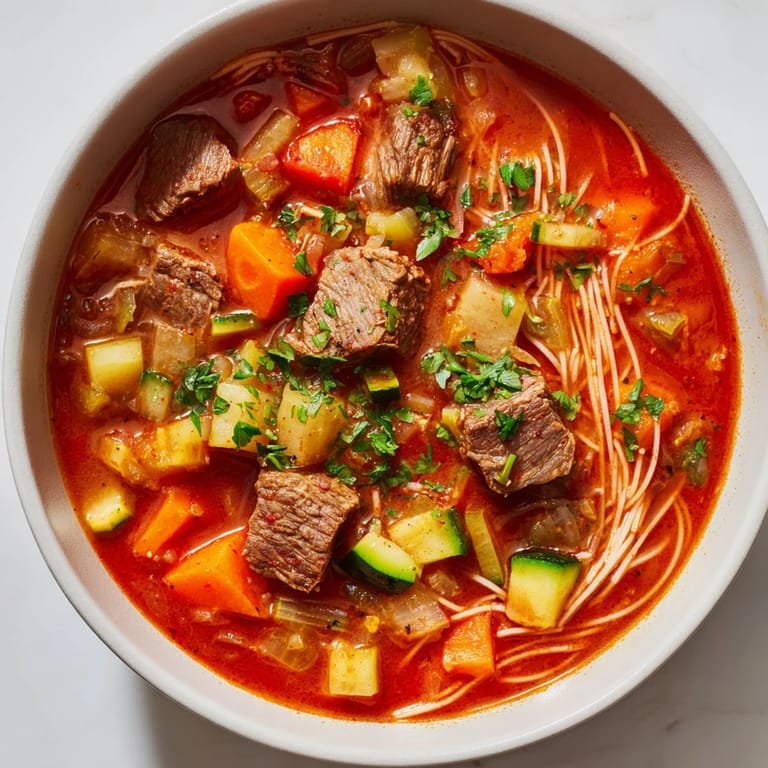
 My uncle's kitchen in Algiers always smelled like this soup on cold winter mornings—that particular blend of cumin and cinnamon that somehow made everything feel right. He'd start his day with a enormous pot of chorba simmering away, the kind that fills your whole house with warmth before you even sit down to eat. Years later, I finally asked him for the recipe, and what struck me wasn't just the ingredient list, but how he described each step like he was sharing a secret. Making it myself, I discovered why this soup became his comfort ritual and now mine too.
I made this for my partner on our first winter together, back when we were still figuring out how to cook in our tiny shared kitchen. The whole apartment smelled so good that our neighbor actually knocked on the door thinking something was burning—but no, it was just chorba doing what it does best. Watching their face light up with that first spoonful, I realized this wasn't just food; it was a way of saying "I'm learning to take care of us." Now whenever the weather turns cold, they ask if I'm making "that soup again," and I always smile knowing exactly which one they mean.
Ingredients
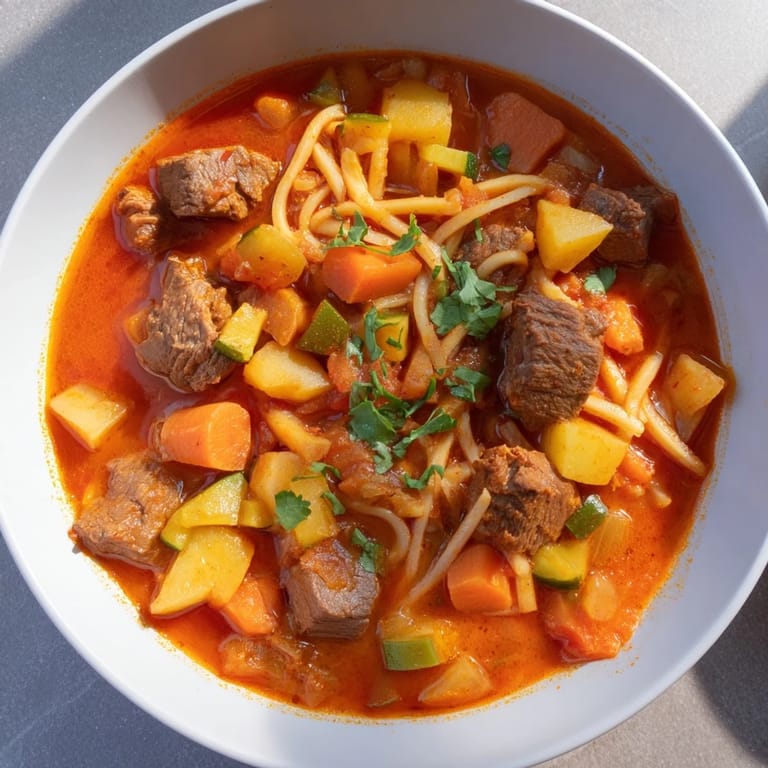
- Lamb shoulder, 500 g cut into 2 cm cubes: The marbling in shoulder meat breaks down beautifully during the long simmer, creating that silky texture that makes this soup special—don't use lean cuts or it'll turn tough and stringy.
- Onion, 1 large finely chopped: This is your flavor foundation; take time to chop it fine so it softens completely and builds depth in the broth.
- Carrots, 2 diced: They add natural sweetness that balances the spices without needing any sugar.
- Celery stalks, 2 diced: Often overlooked but essential for that savory backbone that ties everything together.
- Potato, 1 medium peeled and diced: Creates a gentle creaminess as it breaks down, thickening the soup naturally.
- Zucchini, 1 diced: Add this partway through so it stays tender without turning to mush—I learned this the hard way the first time.
- Fresh tomato, 1 large peeled and diced: The fresh one adds brightness that canned tomatoes alone can't quite capture.
- Canned chopped tomatoes, 400 g: Reliable year-round body for the broth; use good quality if you can.
- Garlic cloves, 2 minced: Mince it fine so it melts into the soup rather than leaving little chunks.
- Tomato paste, 2 tbsp: Bloom this in the spices before adding liquid—that two-minute step makes an enormous difference in depth.
- Fresh coriander, 1 bunch chopped with some reserved for garnish: This herb is what gives chorba its distinctive personality; don't skip it or use dried as a substitute.
- Fresh parsley, 1 bunch chopped with some reserved for garnish: The freshness at the end brightens everything up right before serving.
- Ground cumin, 1 tsp: The heart of the spice blend—use freshly ground if possible and give it a toast in the dry pan before adding to unlock more flavor.
- Ground coriander, 1 tsp: Pairs with the cumin to create that warm, slightly floral note that's unmistakably North African.
- Paprika, 1 tsp: Choose a good quality paprika; it's visible in the finished soup and affects both color and taste.
- Ground cinnamon, 1/2 tsp: Just enough to surprise the palate without making it taste like dessert—this is the secret weapon.
- Ground black pepper, 1/2 tsp: Freshly ground makes all the difference here.
- Ground turmeric, 1/2 tsp: Adds earthiness and a subtle golden warmth.
- Chili flakes, 1/2 tsp optional to taste: Only if you want heat; I usually leave it out and let people add their own at the table.
- Salt, 1 1/2 tsp or to taste: Start with this amount and taste as you go, especially if using salted stock.
- Olive oil, 2 tbsp: Use a robust one you actually like tasting; it's one of the few fats here.
- Water or low-sodium beef stock, 1.5 L: Stock deepens everything, but good water works too if that's what you have.
- Vermicelli or small soup pasta, 60 g: This is traditional and absorbs the broth beautifully; don't overcook it.
Tired of Takeout? 🥡
Get 10 meals you can make faster than delivery arrives. Seriously.
One email. No spam. Unsubscribe anytime.
Instructions
- Brown the lamb properly:
- Heat your oil until it shimmers, then add lamb in a single layer—if you crowd the pan, you'll steam it instead of brown it. Let each side develop a golden crust, about five minutes total, which takes patience but locks in flavor.
- Build the vegetable base:
- Once the lamb has color, add your onions, garlic, carrots, celery, and potato, stirring occasionally until they soften and start to stick slightly to the bottom. This five minutes of cooking melds everything together before adding the deeper flavors.
- Bloom your spices:
- Stir in the tomato paste along with all your spices and salt, and let them cook undisturbed for about two minutes—you'll smell them wake up and become fragrant, which signals they're releasing their essential oils into the oil.
- Add the tomatoes and zucchini:
- Mix in the fresh diced tomato, canned tomatoes, and zucchini, stirring well to distribute everything evenly. The tomatoes will start breaking down and the kitchen will smell absolutely incredible at this point.
- Simmer low and slow:
- Pour in your liquid, bring it to a boil, then immediately reduce to low heat, cover, and let it simmer for a full hour. Skim off any foam that rises during the first fifteen minutes or so—it's just impurities and takes two seconds but improves the broth's clarity.
- Add the pasta:
- Stir in your vermicelli and cook for ten to twelve minutes until it's tender but still has a tiny bite to it. Taste as it cooks because pasta timing varies wildly depending on the brand.
- Finish with fresh herbs:
- Remove from heat and stir in your chopped parsley and coriander, then taste and adjust salt if needed. The fresh herbs transform it from good to unforgettable in those final seconds.
- Serve with intention:
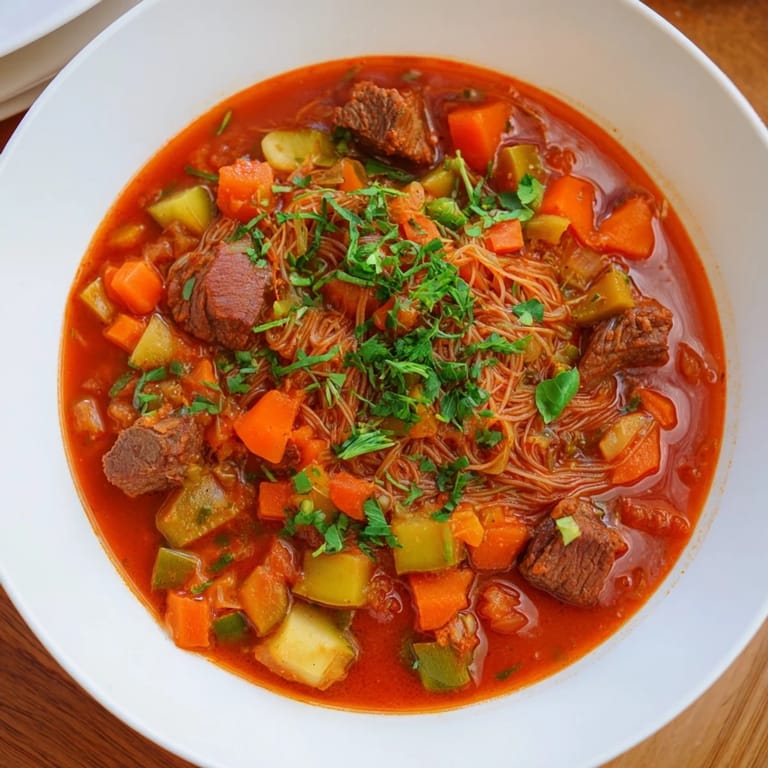
- Ladle into bowls, garnish with those reserved herbs you saved, and serve piping hot with lemon wedges on the side so everyone can squeeze in exactly what they like.
 Pin It
 My clearest memory of this dish isn't from eating it, but from watching my aunt refuse to let anyone else stir the pot—she'd stand there with her wooden spoon, occasionally tasting from a small bowl, adding a pinch of something here, a taste of lemon there. When I finally asked what she was looking for, she said "when it tastes like home, you'll know." I understand that completely now.
The North African Spice Story
These spices aren't random; they tell the story of trade routes and history simmering together in one pot. The warmth of cinnamon paired with the earthiness of cumin and the brightness of coriander creates something that tastes both complex and strangely familiar, even if you've never had chorba before. Every spice does specific work here—cinnamon adds sweetness without sugar, turmeric brings color and depth, paprika rounds out the flavors. Understanding this made me cook more intentionally, tasting how each one contributes instead of just throwing everything in and hoping for the best.
Timing and Flexibility
The beauty of this soup is that it's forgiving once you understand its rhythm. You can make it ahead and reheat it—actually, it gets better the next day when all the flavors have had time to mingle properly. If you're short on time, you could reduce simmering to 45 minutes with chicken instead of lamb, or add chickpeas for heartiness and protein without extending the cooking time. The bones and aromatics do most of the work; you're just there to manage the heat and add things at the right moment.
When This Soup Becomes Something More
Chorba stops being just a recipe when you start making it for people you care about—when you notice it becoming your signature dish, the thing people ask you to bring, the comfort food that appears on your table during difficult seasons. I've made this soup in three different kitchens now, each time with slightly different ingredients depending on what was available, and somehow it always tastes like itself because the technique and soul of it never change. It's the kind of food that connects you to a place and time even if you've never been there, and to people who taught you through taste what love in a bowl looks like.
- Serve alongside crusty bread or flatbread to soak up every drop of broth.
- A squeeze of fresh lemon right at the end transforms the entire flavor profile—don't skip this step.
- This freezes beautifully for up to three months, making it perfect for batch cooking on a lazy weekend.
 Pin It
 This soup reminds me that the simplest meals often carry the most meaning—it's just meat, vegetables, and spices, but somehow it becomes the dish you remember for years. Every time I make it, I'm grateful for the person who shared the recipe and the moments it's created since.
Recipe Questions & Answers
- → What cut of meat works best for this soup?
Lamb shoulder cut into cubes is ideal, as it becomes tender during the slow simmer and adds rich flavor.
- → Can I use broth instead of water?
Yes, low-sodium beef or lamb stock enhances the depth of flavor without overpowering the spices.
- → What spices give this soup its distinctive taste?
A mix of ground cumin, coriander, paprika, cinnamon, turmeric, and chili flakes provides warmth and complexity.
- → Are there vegetarian alternatives to the meat?
Using chickpeas instead of lamb adds protein and texture while keeping the dish hearty.
- → How should vermicelli be cooked in the soup?
Vermicelli is added near the end of cooking and simmered for 10–12 minutes until tender but not mushy.
- → What garnishes complement this soup?
Fresh chopped parsley and coriander brighten the flavors and add a fresh herbal note.