 Pin It
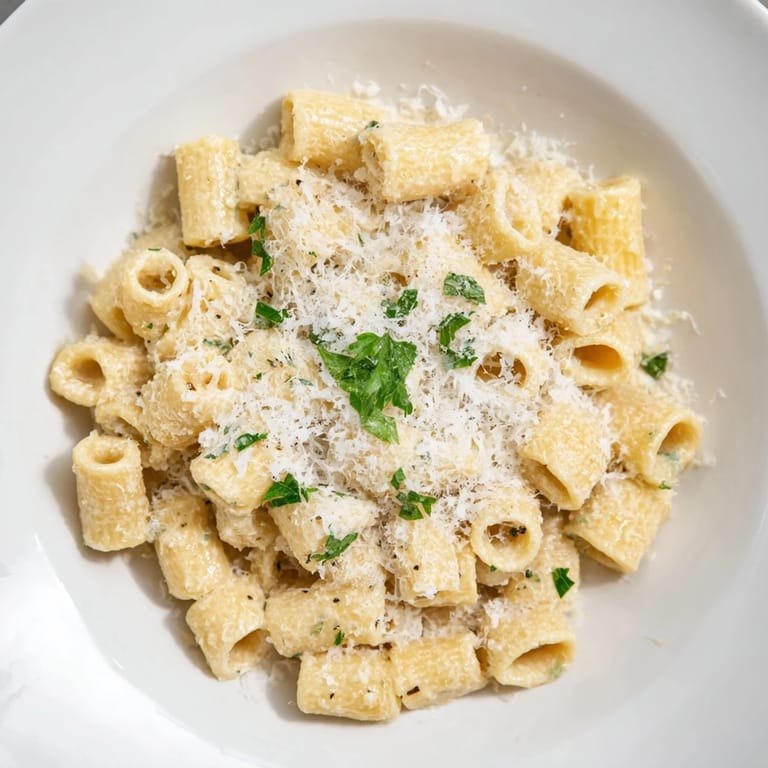
 There's something about a weeknight when nothing in the fridge looks promising, but you know you have pasta, butter, and Parmesan—and suddenly dinner becomes something people actually want to eat. I discovered this dish during a stretch of exhausting days when I needed something fast that didn't feel rushed, and it surprised me how silky and restaurant-quality it could be in just fifteen minutes. The garlic melts into the cream until it's barely there, the Parmesan gets creamy instead of clumpy, and you end up with something that tastes like you've been simmering it for hours. It became my answer to the question I asked myself almost every Tuesday: what's for dinner?
I made this for my neighbor one evening when she'd had a particularly rough day, and she sat at my kitchen counter eating it straight from the pot, not even bothering with a plate. She kept shaking her head and saying it shouldn't be this good, and I realized then that simple food served with care hits different than anything complicated ever could.
Ingredients
- Ditalini pasta (300 g): Small tubes that trap the sauce beautifully, but honestly any short pasta works if that's what you have on hand.
- Unsalted butter (2 tbsp): This is where the richness starts; salted butter will throw off your seasoning balance.
- Garlic (4 cloves, finely minced): Don't slice it—mincing lets it dissolve into silken sweetness rather than leaving harsh chunks.
- Heavy cream (200 ml): The foundation of your sauce; it won't break if you treat it gently.
- Whole milk (100 ml): Cuts the heaviness just enough so the dish doesn't feel like a brick in your stomach.
- Finely grated Parmesan (80 g, plus extra): Grate it yourself from a wedge if you can—pre-shredded cheese has cellulose that makes it grainy instead of silken.
- Freshly ground black pepper (1/2 tsp): This small amount is your seasoning hero; don't skip it or use pre-ground.
- Crushed red pepper flakes (1/4 tsp, optional): A whisper of heat that wakes everything up without dominating.
- Fresh parsley (2 tbsp, optional): A green finish that makes it feel intentional instead of just cream and cheese.
Tired of Takeout? 🥡
Get 10 meals you can make faster than delivery arrives. Seriously.
One email. No spam. Unsubscribe anytime.
Instructions
- Get the water going:
- Bring 1.5 liters of water to a rolling boil in your largest pot, then salt it generously—it should taste like seawater. This is your only chance to season the pasta itself.
- Cook the pasta:
- Add the ditalini and stir often for the first minute to prevent sticking, then cook according to package directions until it's just barely tender. Before you drain, scoop out about 100 ml of pasta water and set it aside—this is liquid gold for adjusting your sauce later.
- Make the garlic base:
- Return the empty pot to medium heat and melt the butter, letting it foam slightly. Add your minced garlic and listen for a quiet sizzle; stir constantly for about 90 seconds until it smells incredible but looks pale, not brown.
- Build the cream sauce:
- Pour in the cream and milk all at once, stirring as you go so everything combines smoothly. Let it come to a gentle simmer—you'll see tiny bubbles forming at the edges—then let it breathe for a minute.
- Reunite pasta and sauce:
- Add your cooked ditalini back to the pot and stir until every piece is coated in that silky mixture. This is the moment it starts to feel like real food.
- Add the Parmesan:
- Sprinkle the grated cheese in gradually while stirring constantly, which prevents it from balling up or getting grainy. It should melt into the sauce like it was always meant to be there, thickening everything into creamy perfection.
- Adjust and season:
- If your sauce looks too thick, add reserved pasta water a splash at a time until it's the consistency you want—it should coat the back of a spoon but still flow. Grind in your black pepper and add red pepper flakes if you're going for that subtle warmth.
- Serve it now:
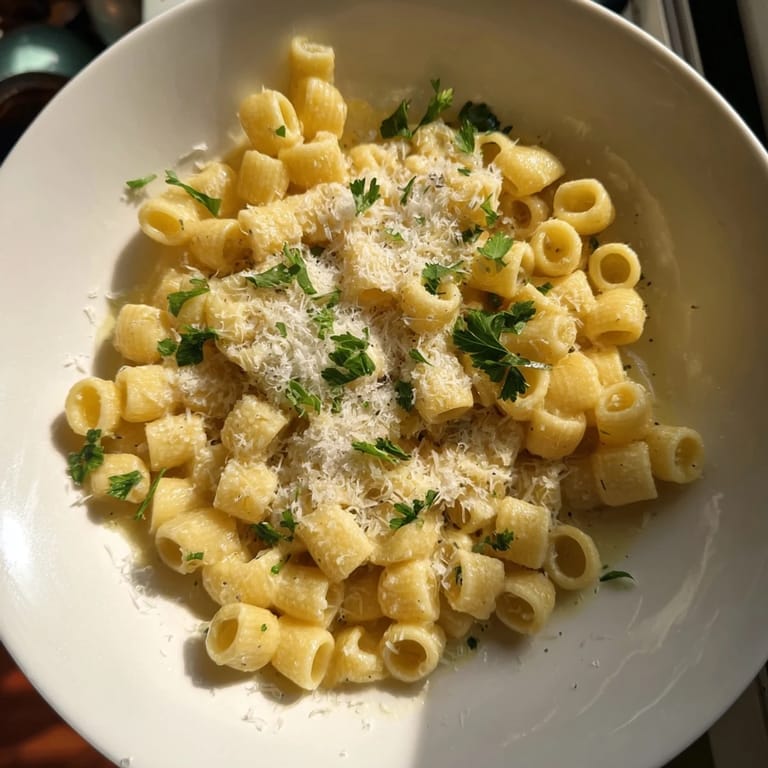
- This dish waits for no one—plate it immediately and crown each serving with a generous handful of extra Parmesan and a scatter of fresh parsley if you have it.
 Pin It
 The first time my daughter tried this without complaining about dinner was the night I made it, and I think it's because she watched me make it in less time than it took her to get home from school. There's something about eating food someone made while you were still in the room that changes how it tastes.
Why This Works So Well
The magic here is that you're not making a sauce separate from the pasta—you're cooking it all together in the last few minutes, which means the pasta absorbs the flavors instead of just sitting in them. The starch from the pasta water helps emulsify the cream and cheese, creating something silkier than if you used plain water or no liquid at all. When everything happens in one pot, there's less to clean and fewer chances for things to break apart or separate.
Variations That Actually Make Sense
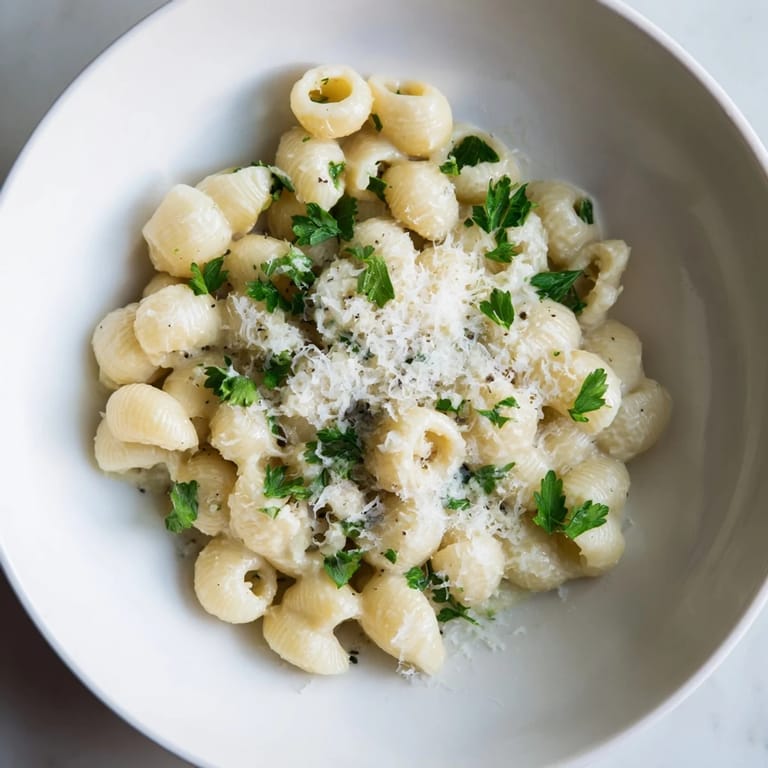
This recipe is sturdy enough to bend without breaking: swap the ditalini for elbow macaroni, small shells, or even broken spaghetti if that's what you have. You can add a handful of frozen peas in the last minute, or sauté some mushrooms in the butter before the garlic. Some people finish it with a squeeze of fresh lemon juice, which brightens everything and cuts the richness just slightly.
Pairing and Serving Ideas
Serve this with a simple green salad dressed in vinaigrette to cut through the richness, or with crusty bread to catch any sauce that clings to the bowl. A crisp white wine like Pinot Grigio or even a light Vermentino sits beside it perfectly without competing. If you're making it for guests, have extra Parmesan at the table—people always want more, and it's one of those dishes that gets better the more cheese you add.
- Grate fresh Parmesan at the last second if you want it to feel special.
- Have that pasta water handy even after serving, in case someone wants theirs a bit saucier.
- Don't stress if it's not perfect—wonky food tastes better anyway.
 Pin It
 This is the kind of recipe that lives in your hands after you've made it a few times—you stop measuring and start feeling, and suddenly you're making it for people you love on nights when everything else feels too hard. That's when you know a recipe matters.
Recipe Questions & Answers
- → What pasta works best for this dish?
Small shapes like ditalini, elbow macaroni, or small shells allow the sauce to cling well and cook evenly.
- → How can I adjust the sauce consistency?
If the sauce is too thick, gradually add reserved pasta water until the desired creaminess is reached.
- → Can I add extra flavor to this dish?
A squeeze of lemon juice just before serving brightens the flavors without overpowering the creamy base.
- → Is this dish suitable for vegetarians?
Yes, it uses dairy and pasta but avoids meat or seafood, fitting a vegetarian profile.
- → What cooking tools are needed?
A large pot for boiling pasta and preparing the sauce, plus a colander, grater for Parmesan, and wooden spoon for stirring.
- → How long does the entire preparation take?
The dish can be prepared and cooked comfortably within 15 minutes, making it ideal for quick meals.